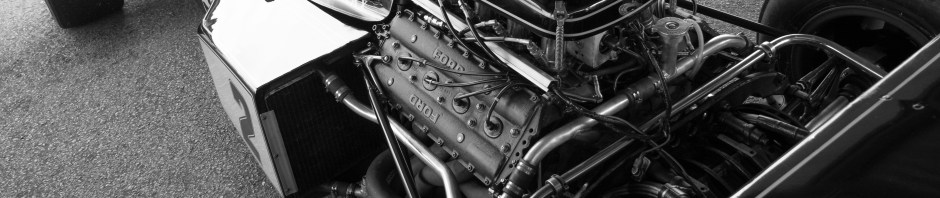
The Lotus 72 is undoubtedly one of the most iconic Formula One cars of the early through mid 1970’s. Colin Chapman and the team at Lotus developed a ground breaking car that set the standard for many years to come. Volumes have been written about the Lotus 72 and the evolution of the car that racked up 20 Grand Prix victories from 1970 through 1975. However, this time we are looking beyond the car’s stylish wedge shape and detailed history and concentrating instead on a few interesting details that made the Lotus 72 a winner. The car featured is John Player Special 72E S/5 once driven by Jacky Ickx and now maintained by Classic Team Lotus.
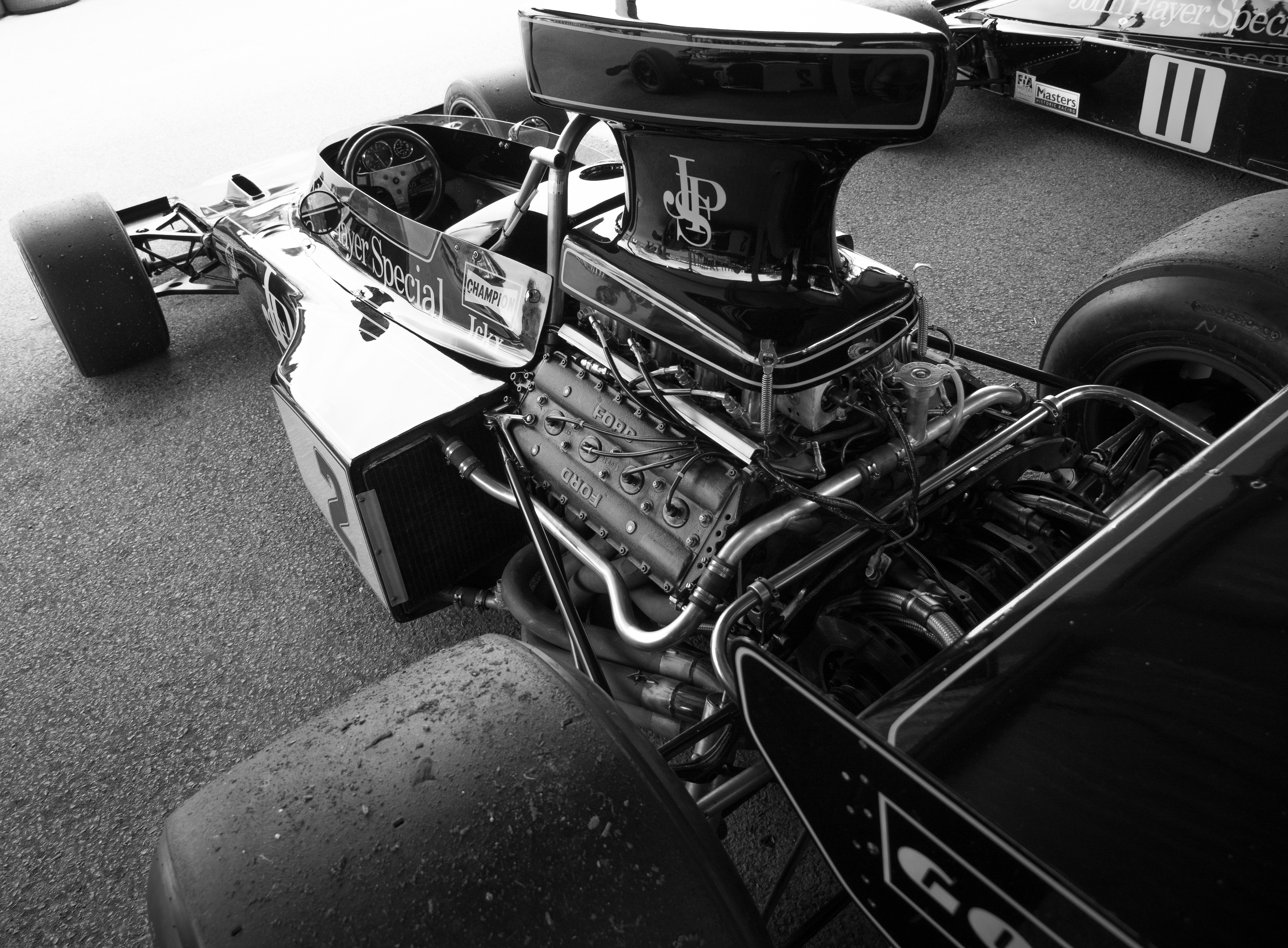
The Cosworth DFV powered Lotus 72 set the standard for Formula One of the day.
Genuine Koni shock absorbers naturally. The Famous Special D shock that graced so many street cars was also used on the 72, although I’m sure the valving was reworked to Lotus specification
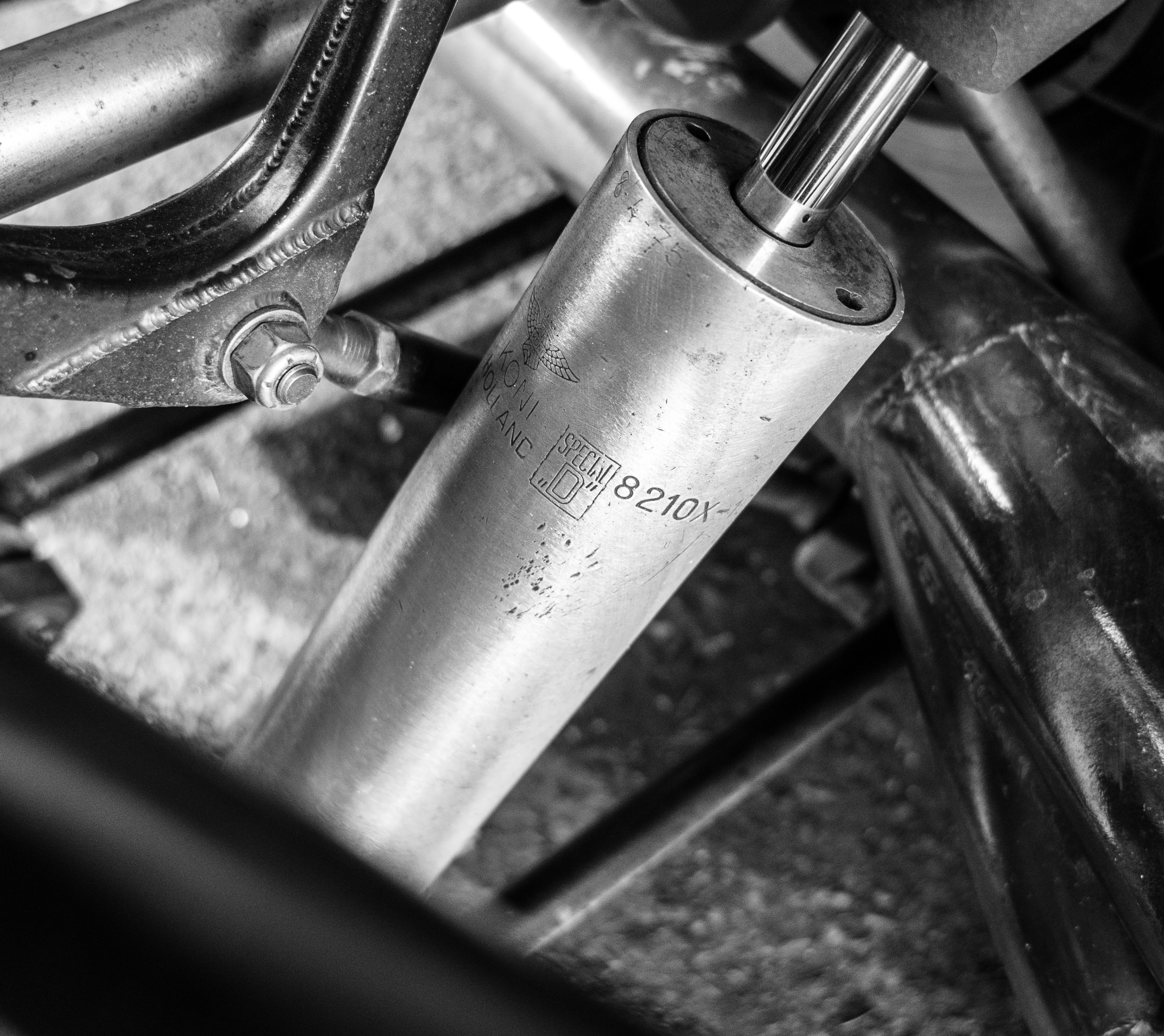
Koni Shocks for this F1 car
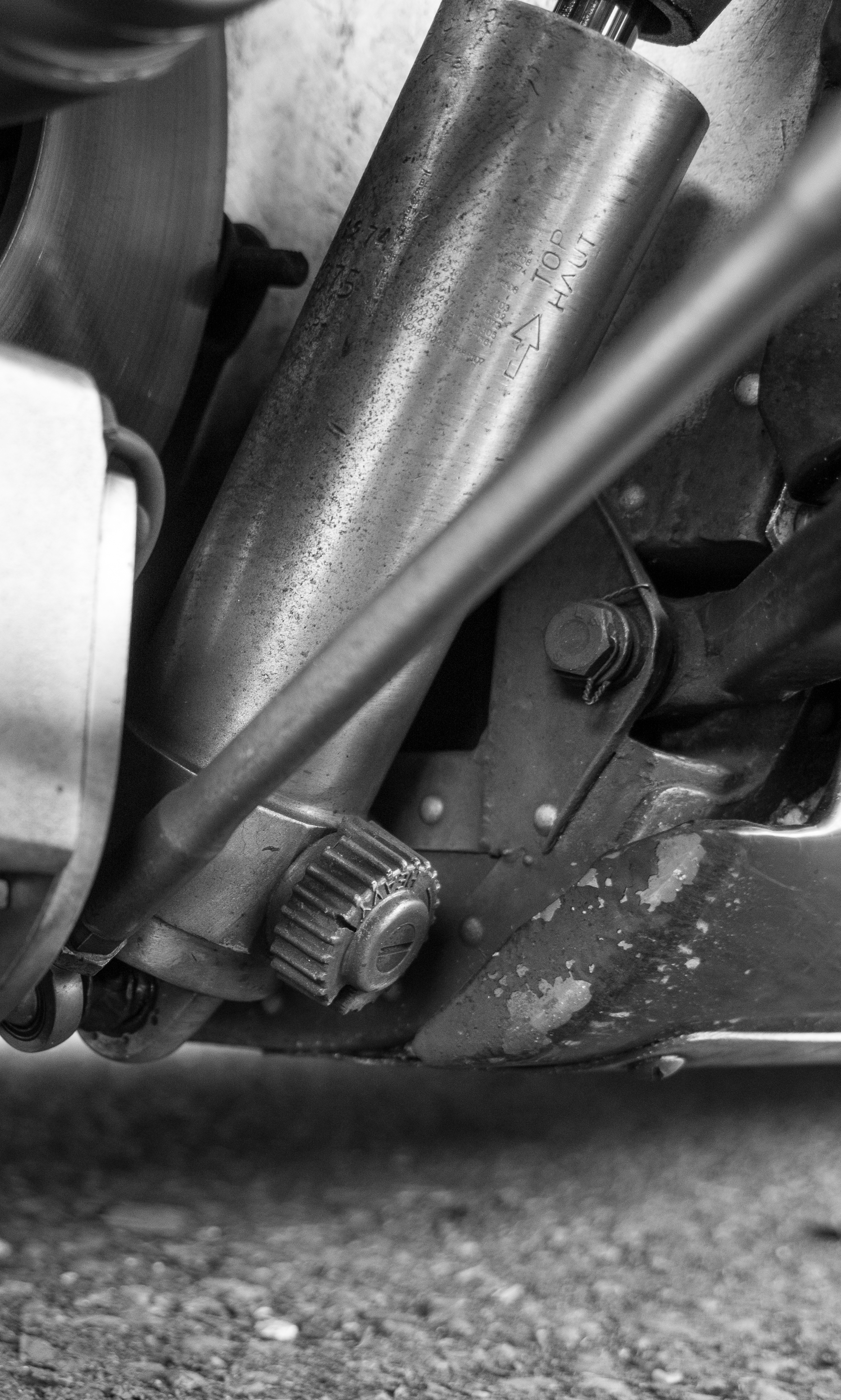
Adjustable Koni shocks
The Lotus 72 featured inboard brakes at the front. Each front wheel had a shaft , much like the drive shaft of a front wheel drive automobile, that ran from the wheel to the brake rotor and caliper mounted within the bodywork of the car. This feature reduced unsprung weight and kept the center of gravity nice and low.
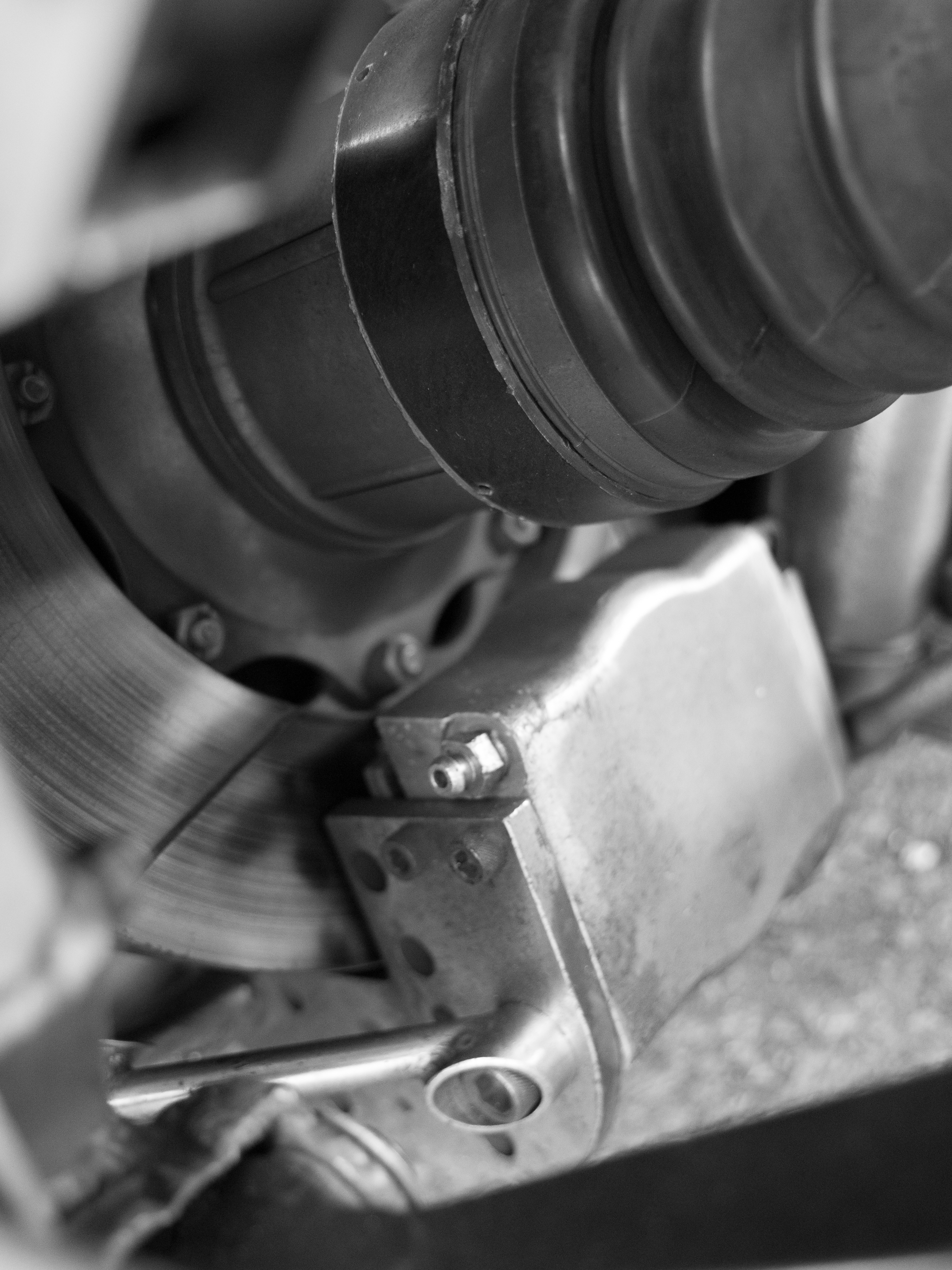
Low slung inboard brakes on the Lotus 72
The brake discs receive cool air from openings in the top of the bodywork.
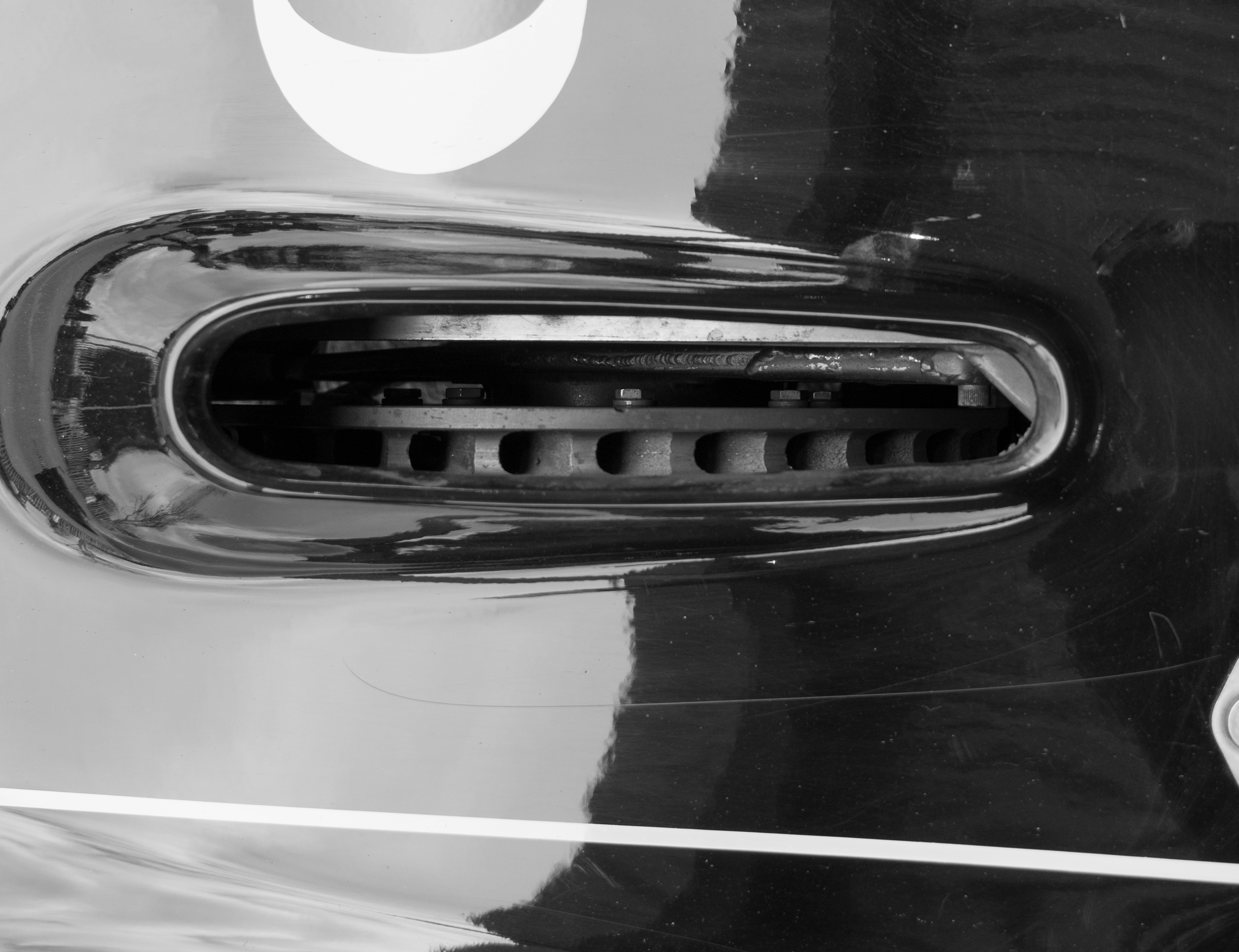
Inboard brake disc on the Lotus 72e
The Lotus 72 was the first Formula One car to feature the radiators mounted in side pods located at the rear of the car, instead of the front nose.
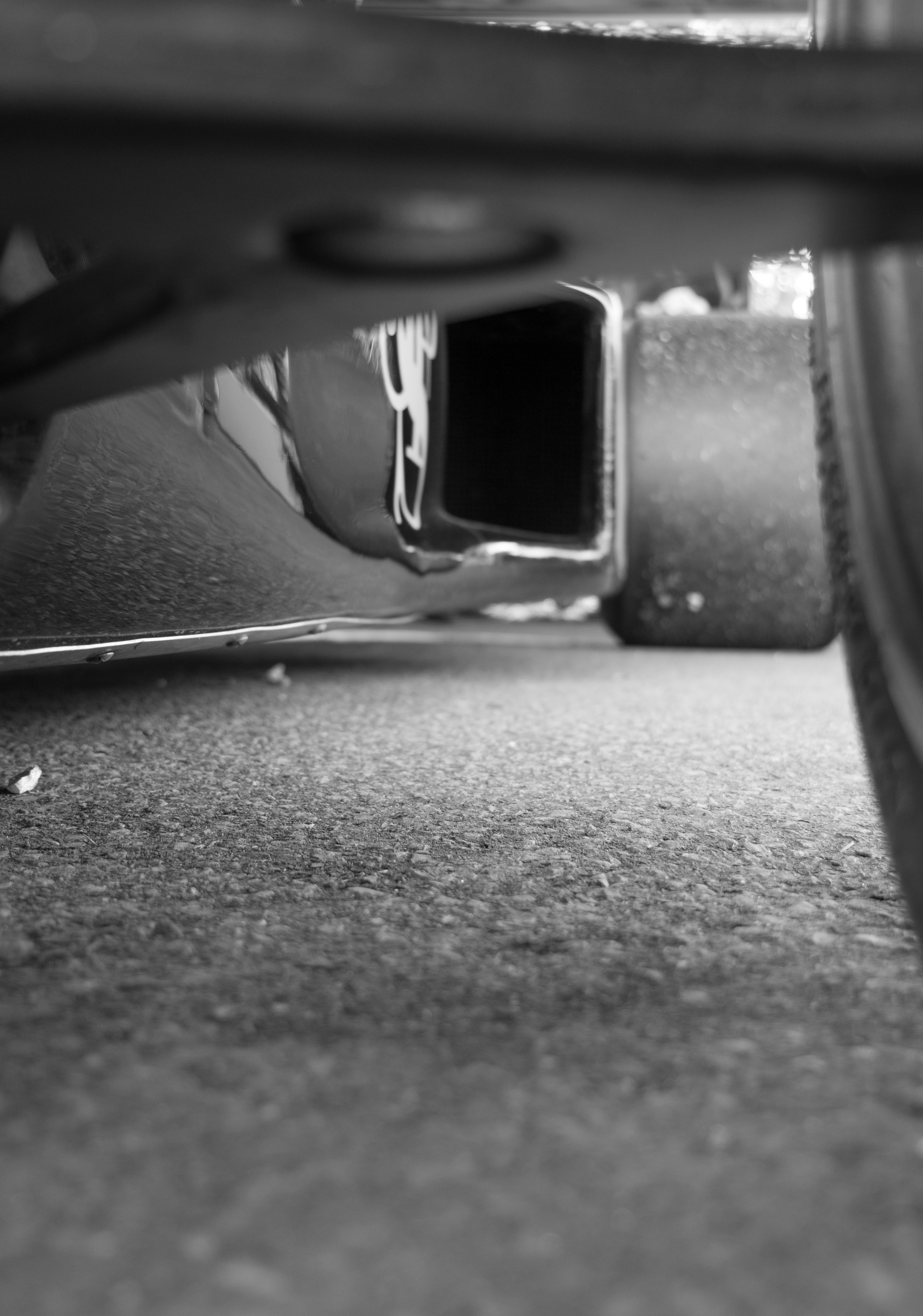
Lotus 72 Side pod radiator
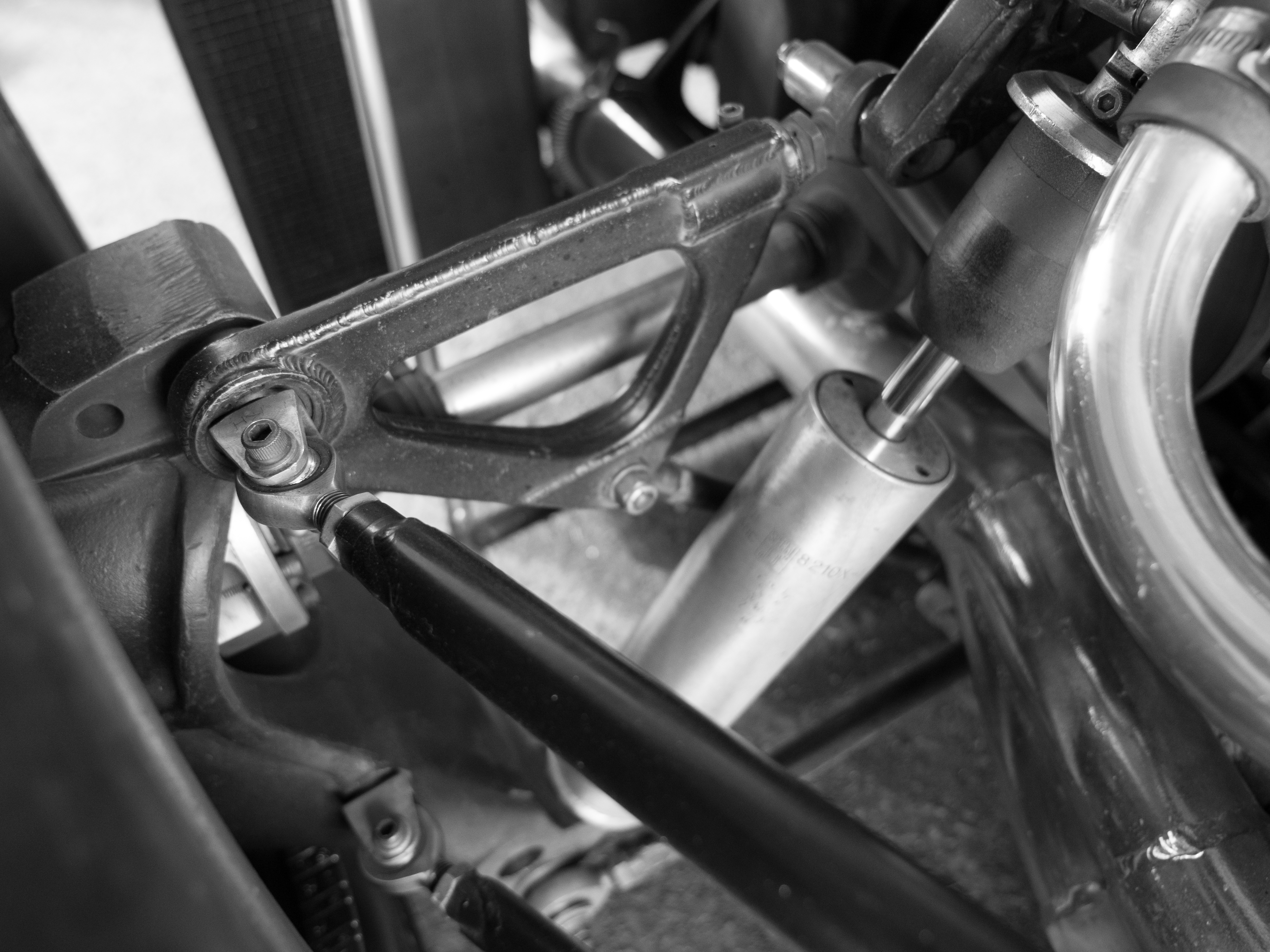
Various fabricated parts, like these suspension pick up points show just how much hand work goes into building the 72.
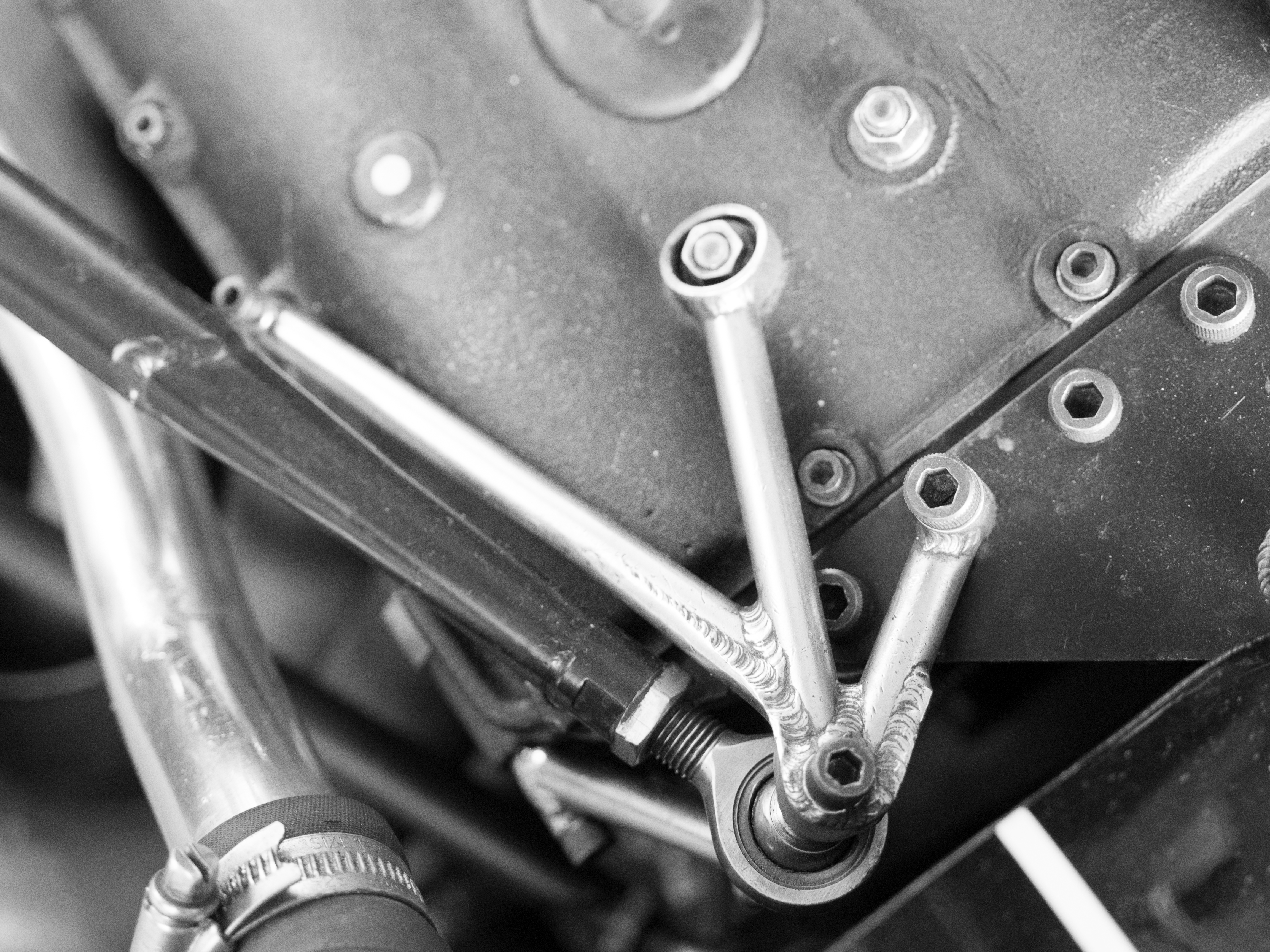
Lotus 72 – Fabricated mounts
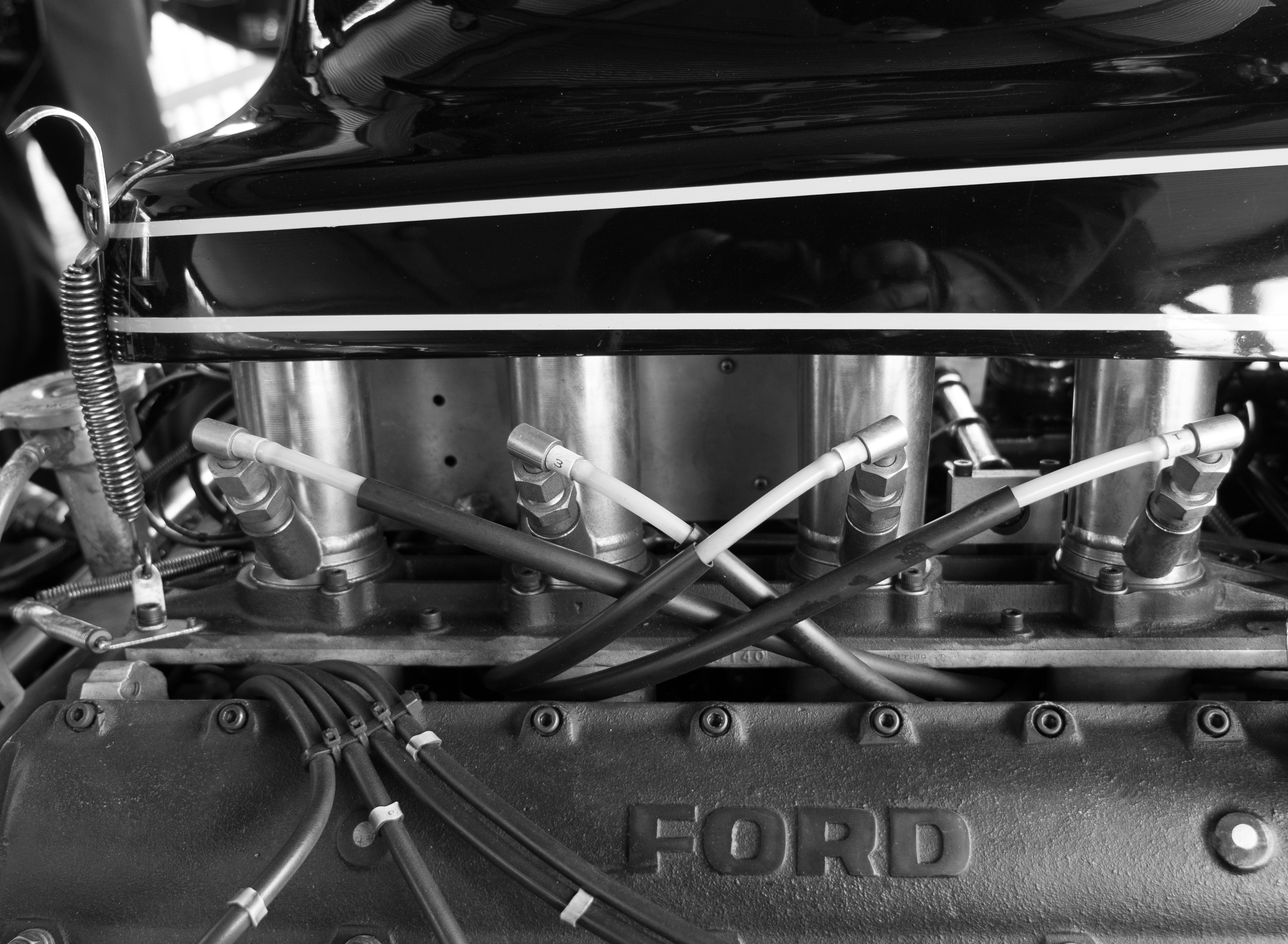
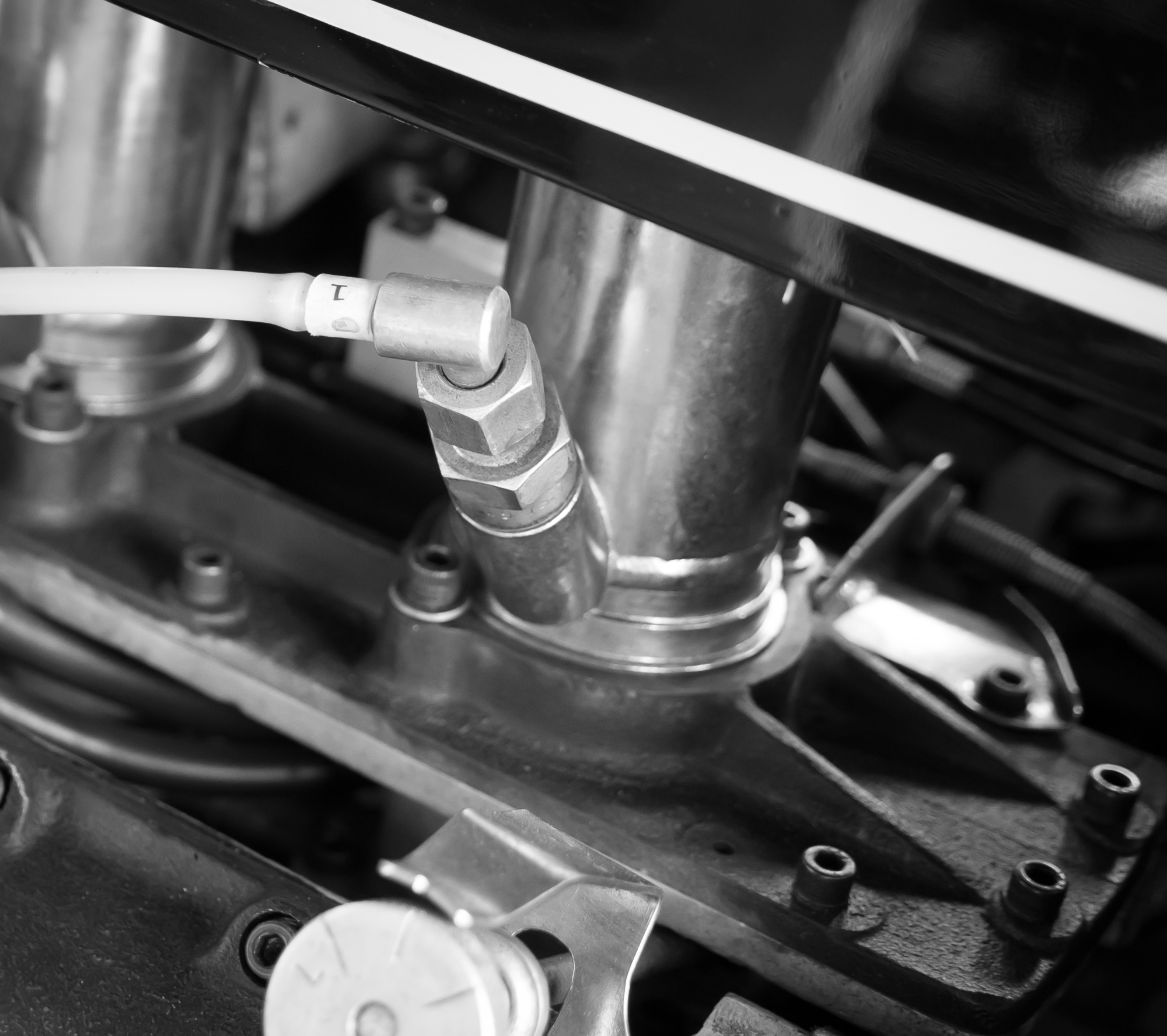
Powered by the Ford Cosworth 3.0L DFV, the engine relies in mechanical slide injection for fueling.
Slide Injection – Ford DFV
V8 for victory
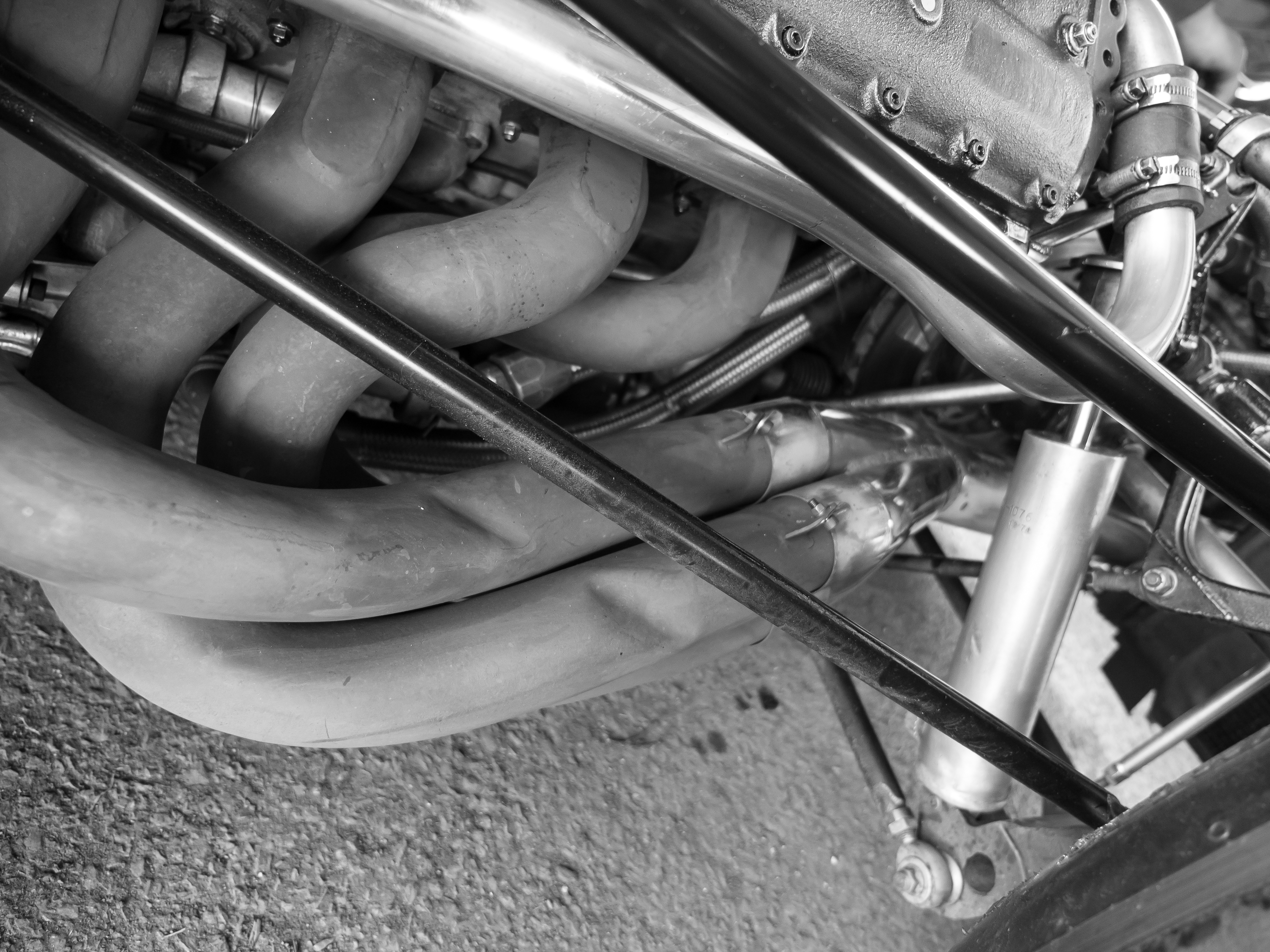
DFV Exhaust
Notice the exhaust has been relieved by the suspension trailing arm.
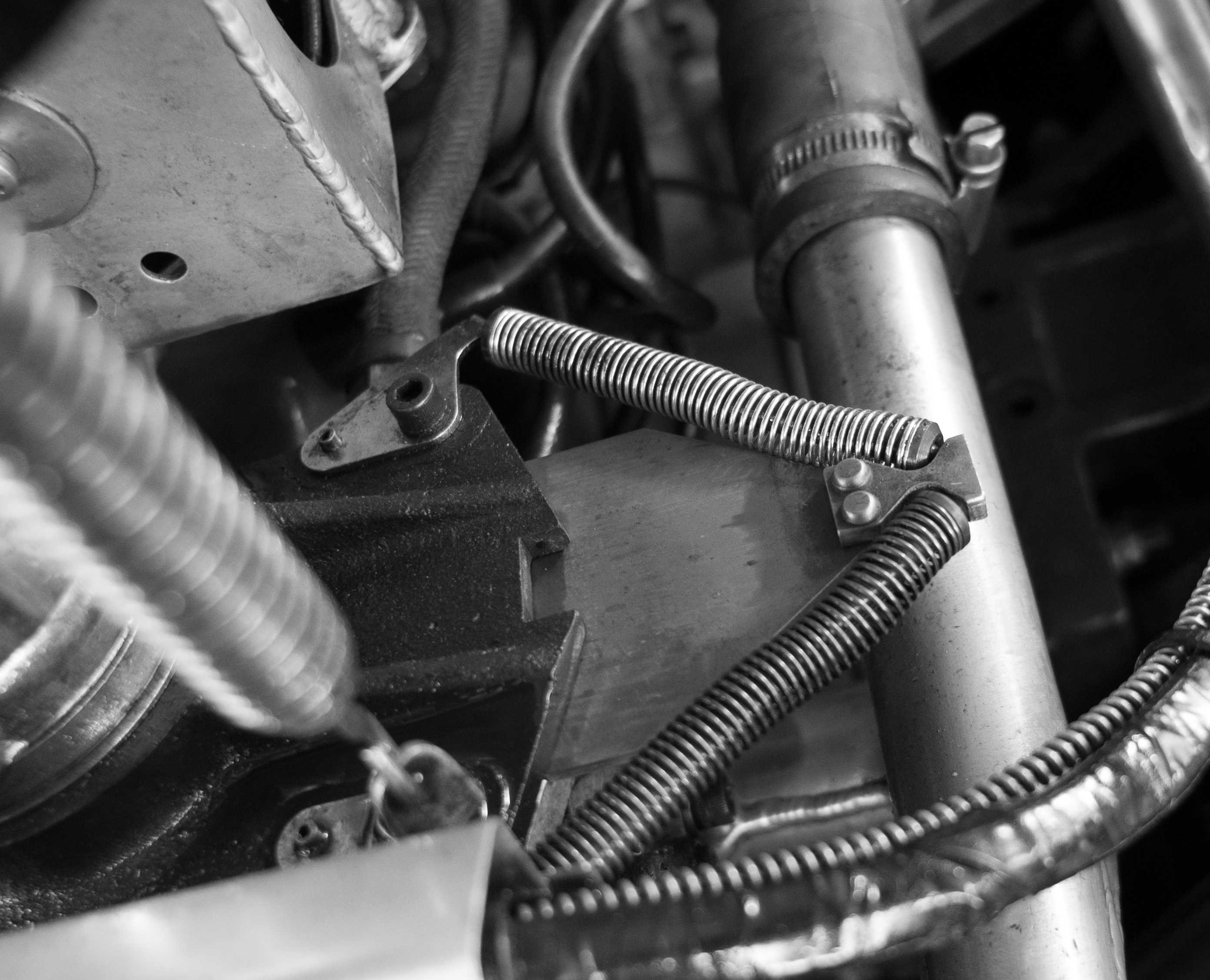
The Lotus 72 featured a high mounted air box or air intake. This “scooped” cool air from above the car and directed into the 3.0L Cosworth V8. Produced from fiberglass composite, the box was light and held in place with spring clips.
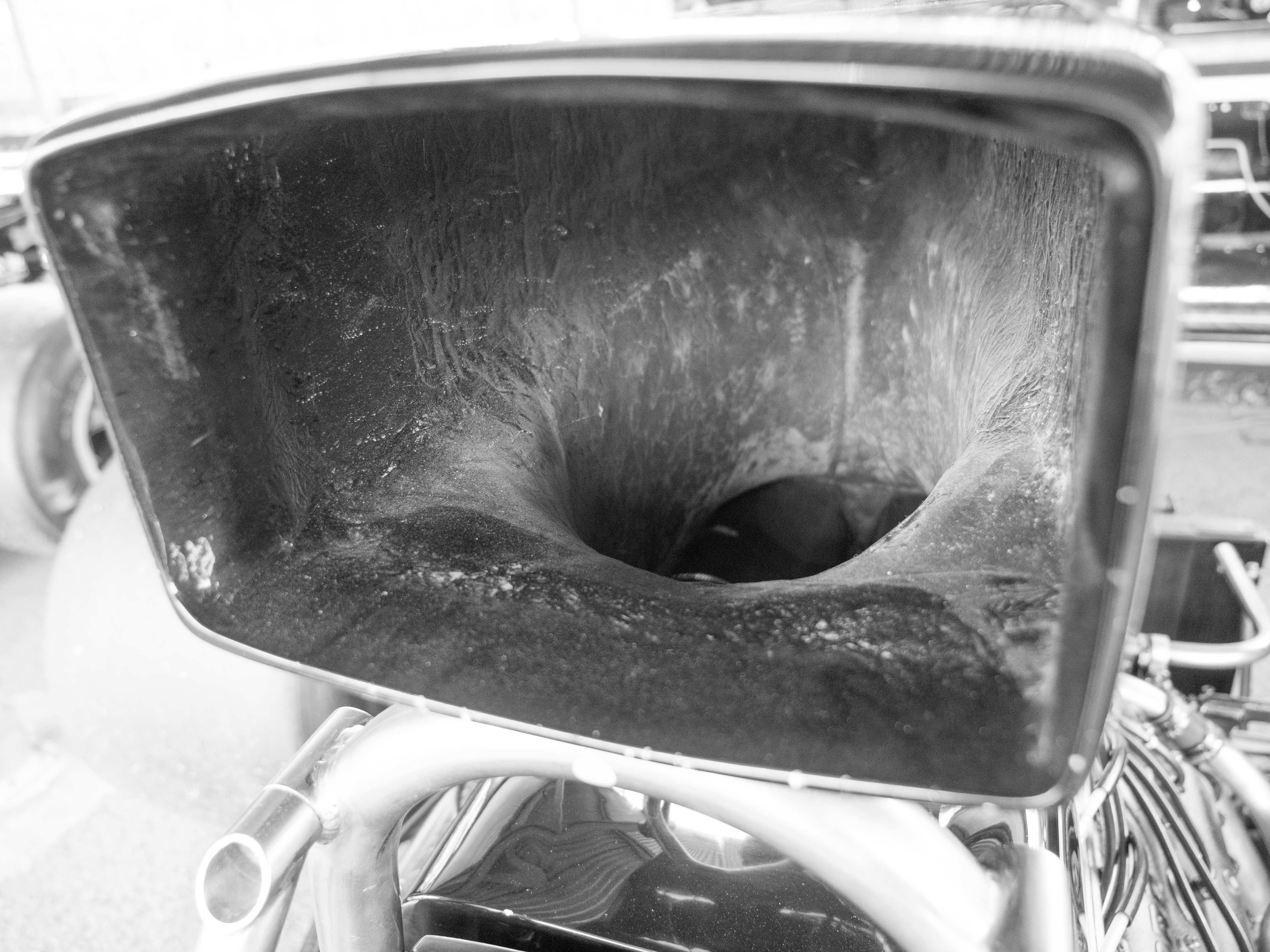
The air box
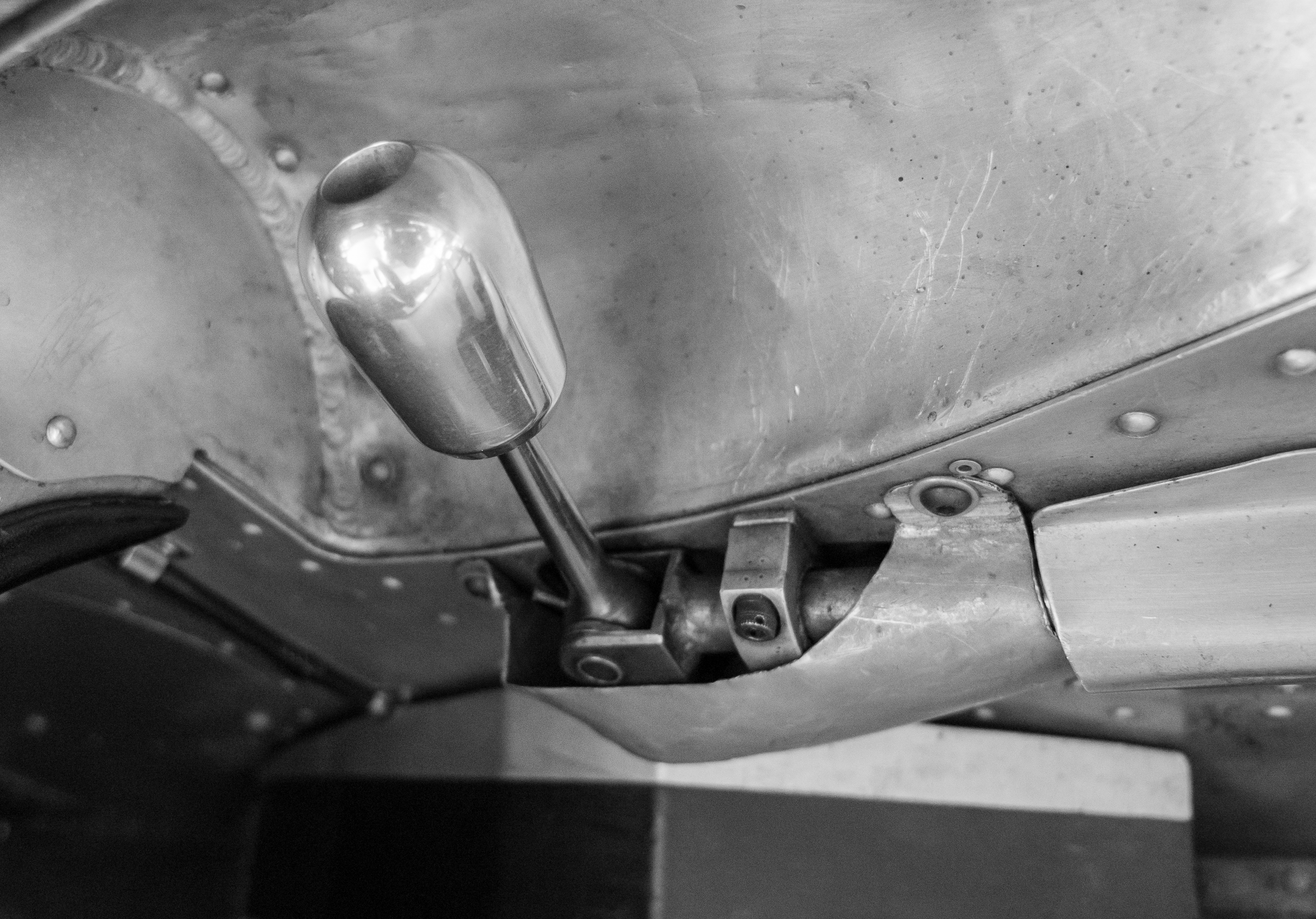
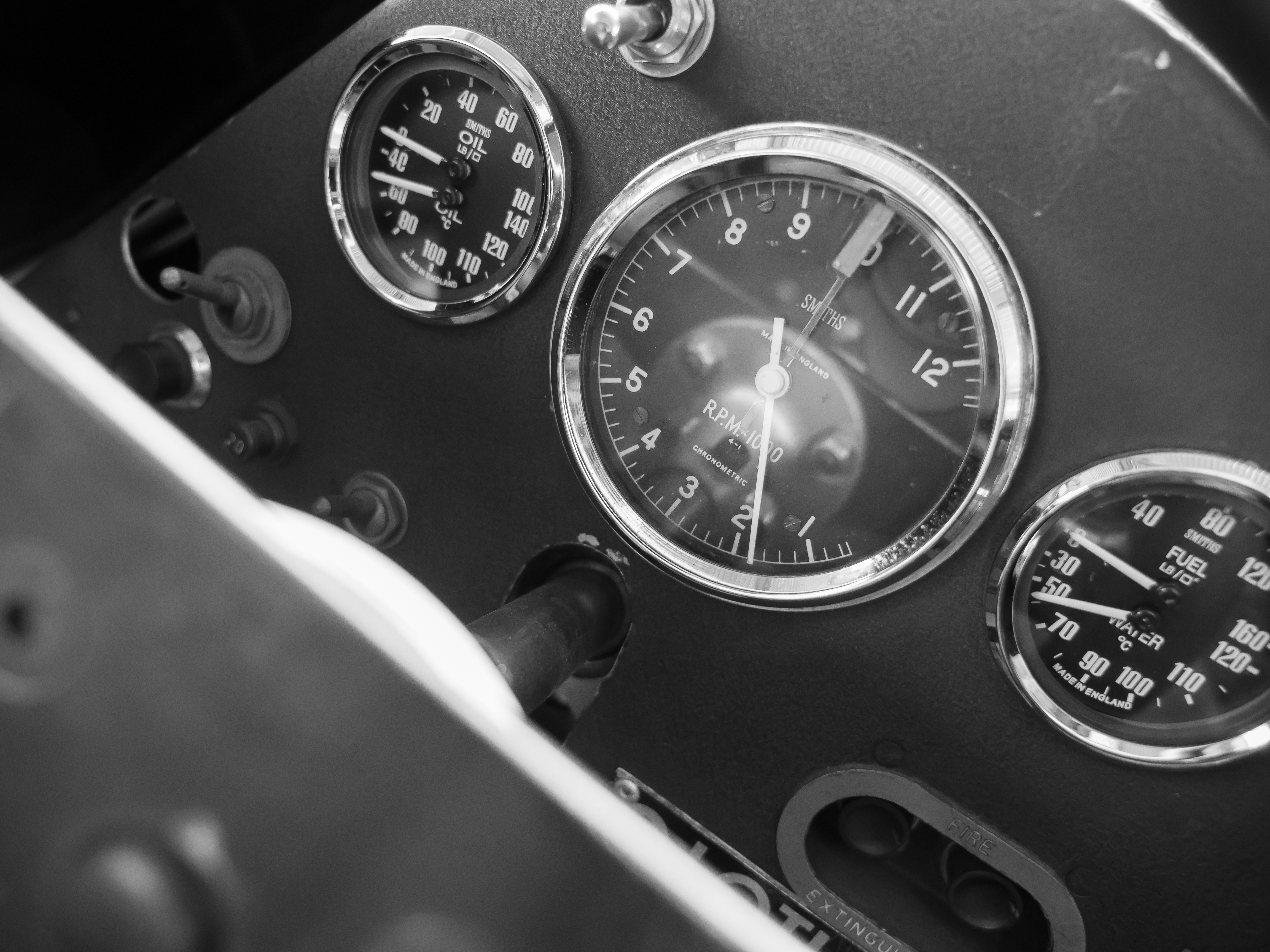
The cockpit is simple and to the point. The MOMO steering wheel provides command control and a few basic gauges keep the driver informed.
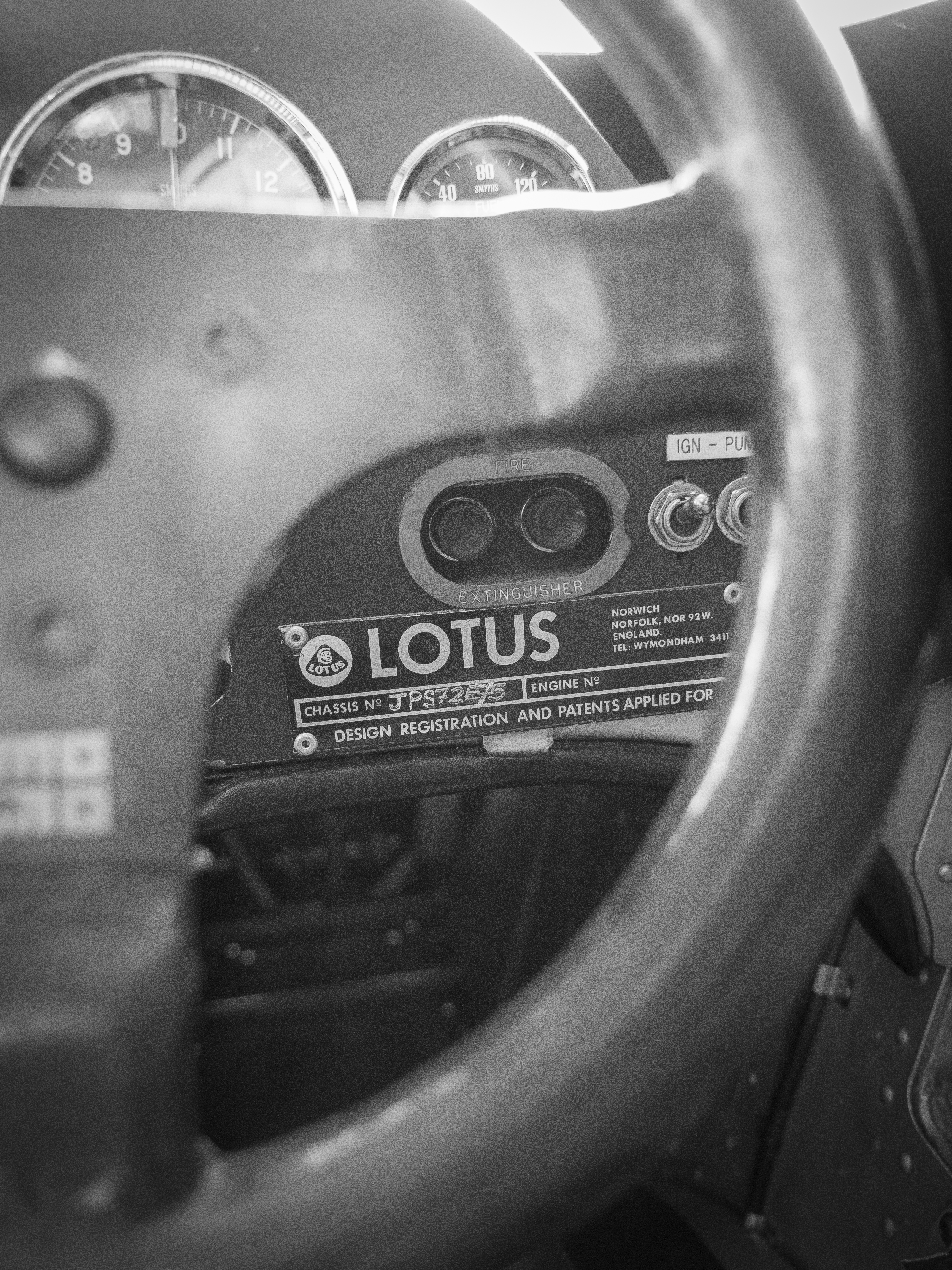
Lotus chassis plate : JPS 72E S5
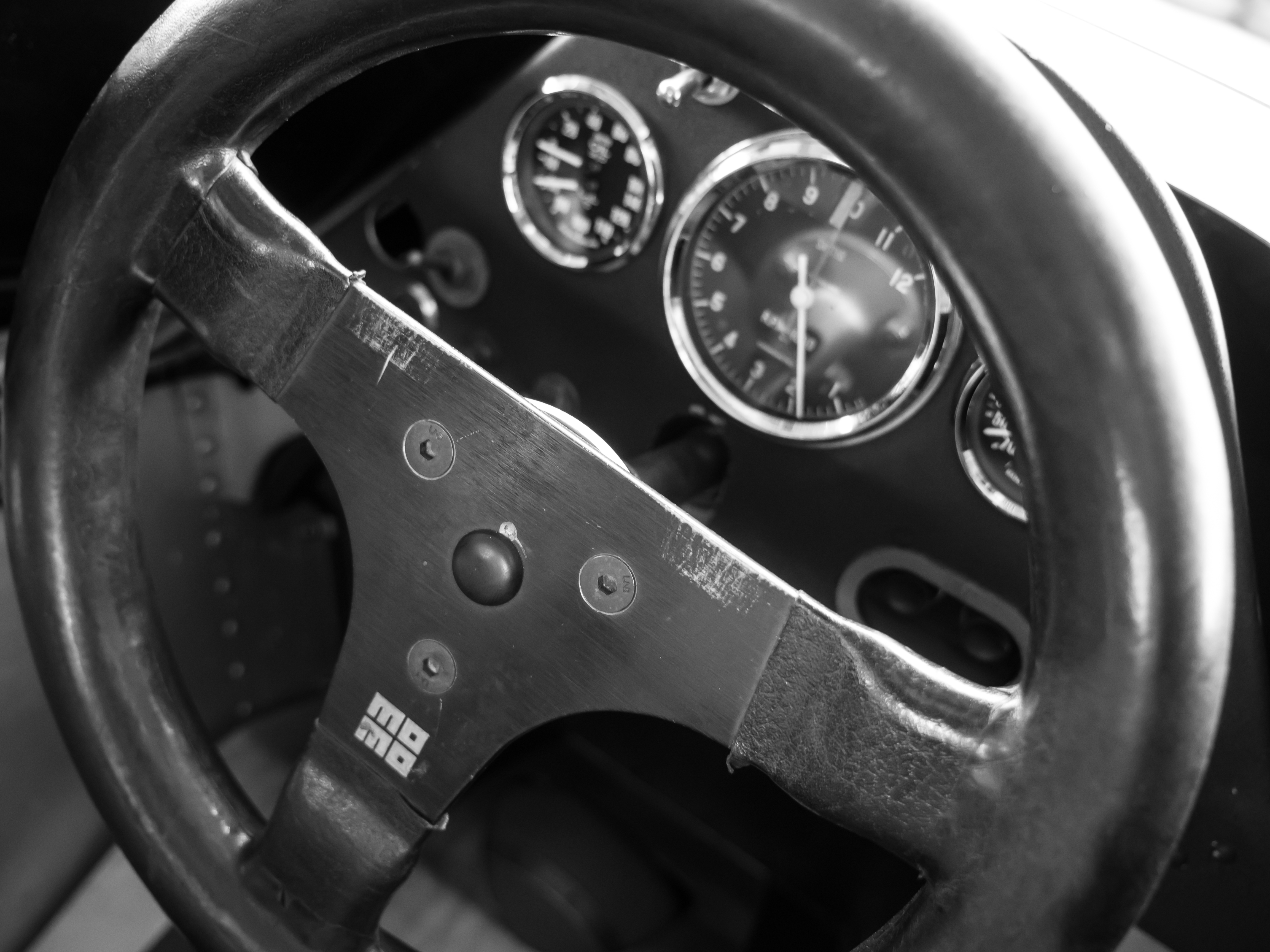
MOMO Steering wheel features prominently.
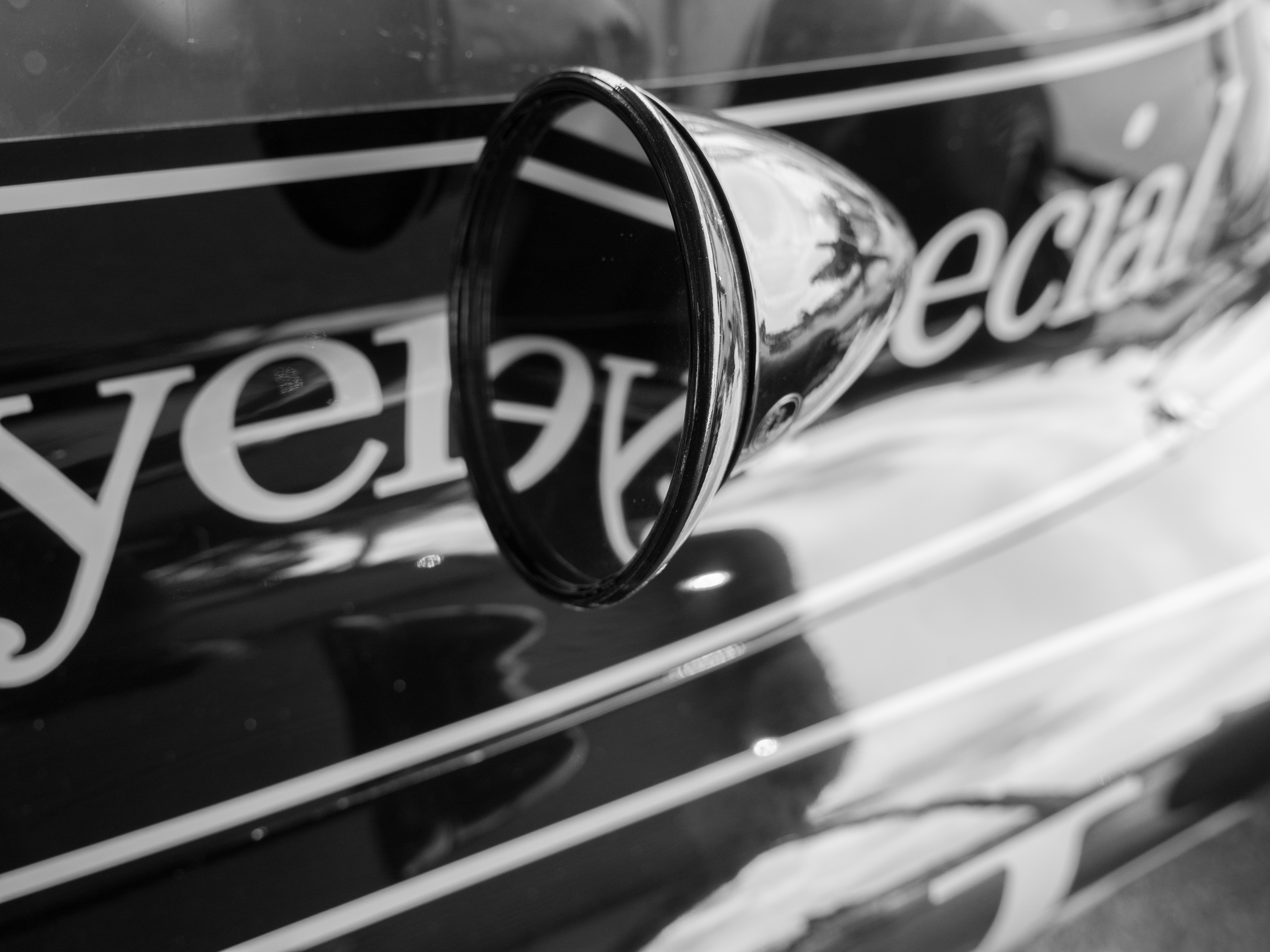
Traditional bullet type mirror
The Lotus 72 is packed with interesting details that make up a car that ushered in many innovative features that became standard on F1 cars for years to come. Its hard to believe the 72 is now 45 years old but was light years ahead of the competition in 1970.
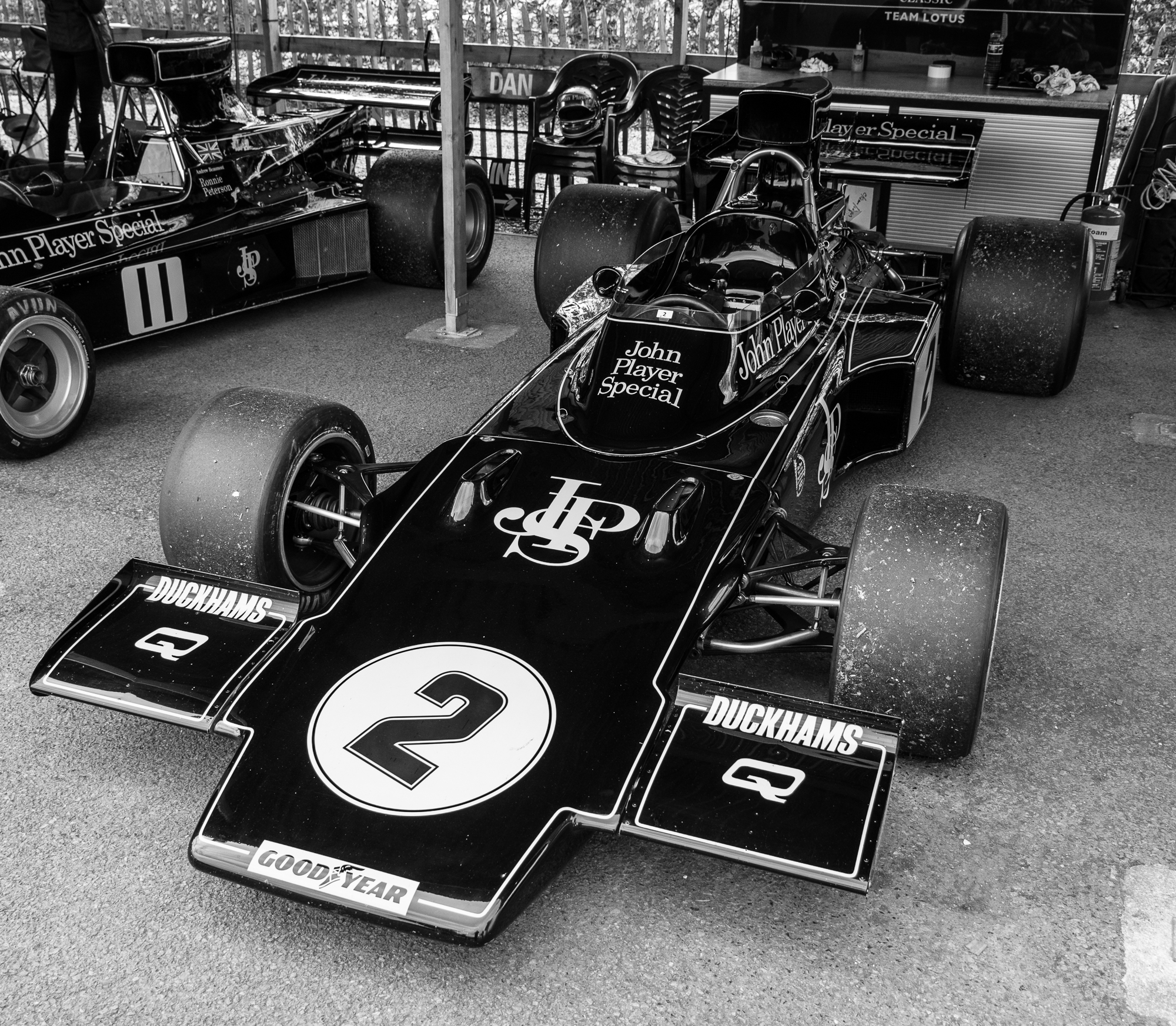
Lotus 72


 thegaragista.com