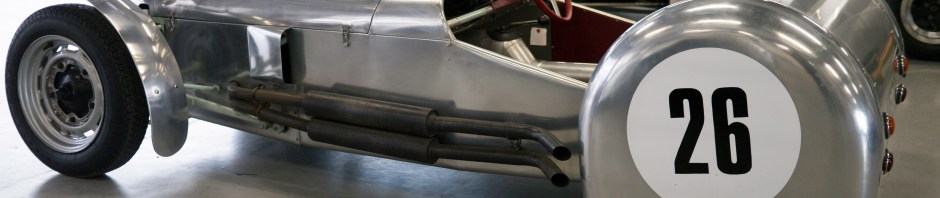
In this installment from Japan Lotus Day 2012, we’ll take a final look at the some of the more unique cars at the event. The Lotus VI parked next to the 211s in the pit garage at Fuji Speedway reflects the evolution of Lotus club level race cars through the years. The VI was the first “production” car released by Colin Chapman in 1952.
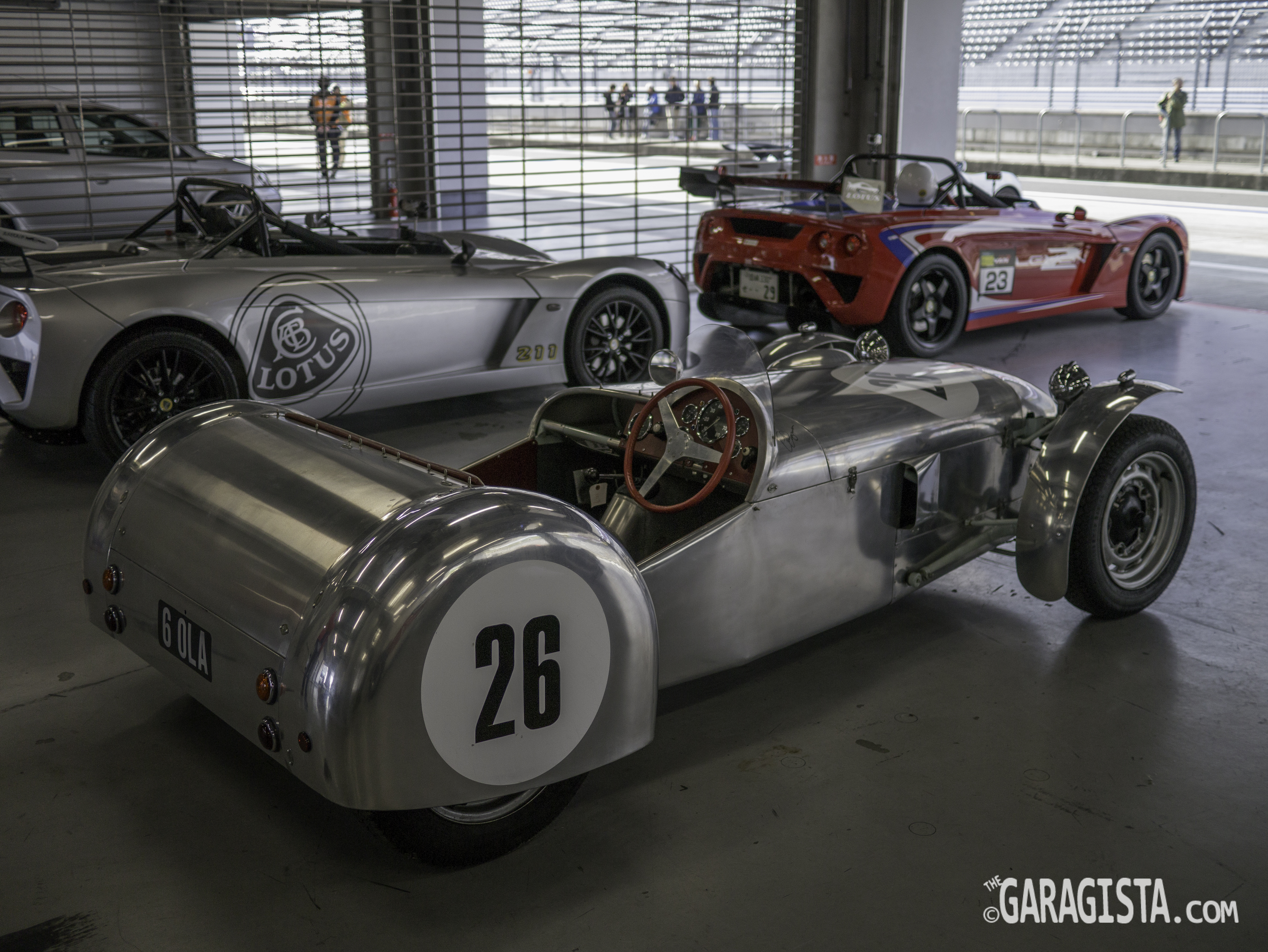
Lotus VI
The car is built around a space frame weighing in at only 55 lbs and offered in a kit form allowing the customer to install a wide range of engines and drive train. In total the car weighed a mere 952 lbs. There were approximately 110 Lotus VI produced from 1952-1957.
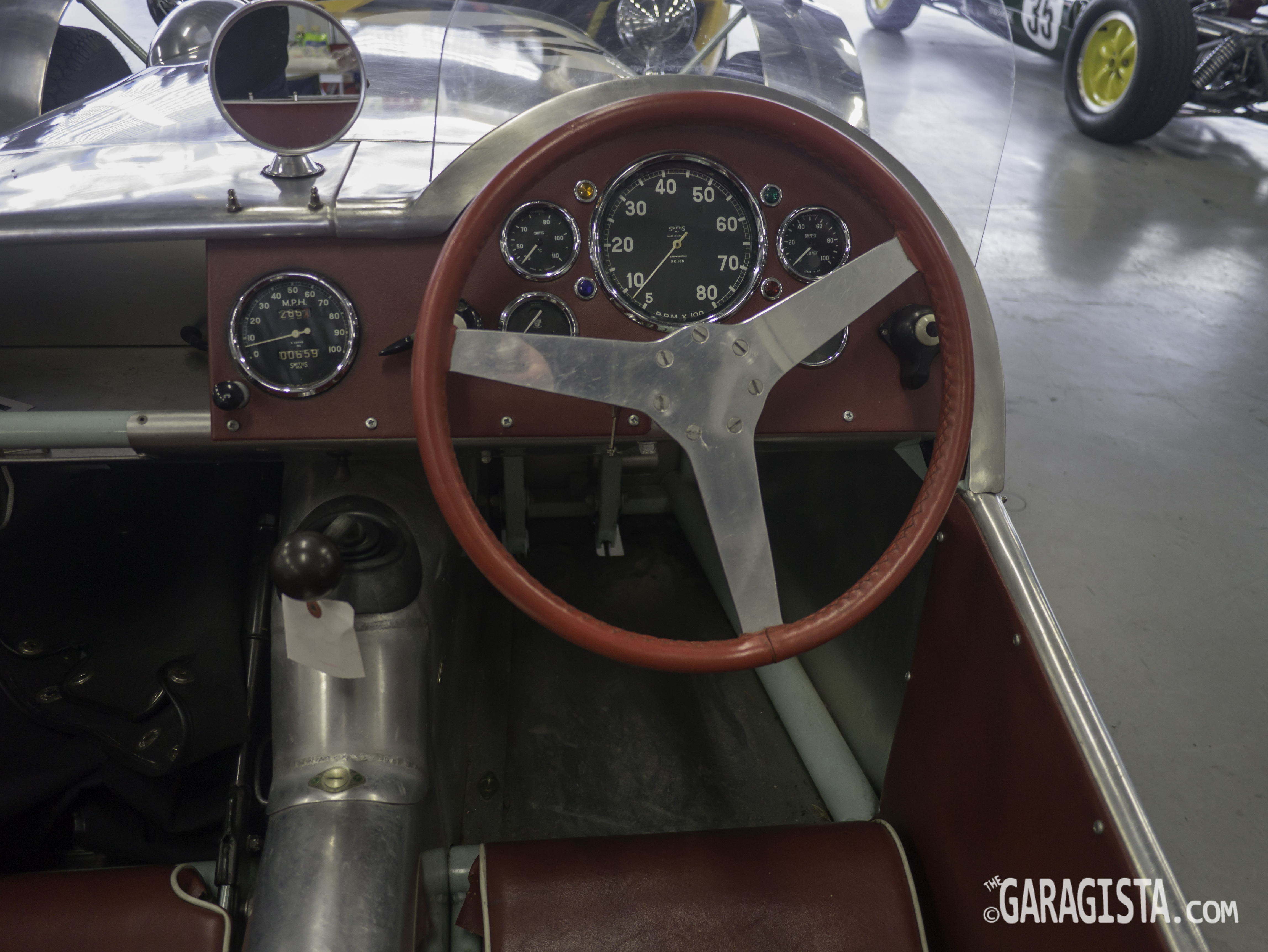
Lotus VI cockpit
Red steering wheels always look right in a Lotus. The sparse but purposeful cockpit of the Lotus VI is void of anything not required to win races.
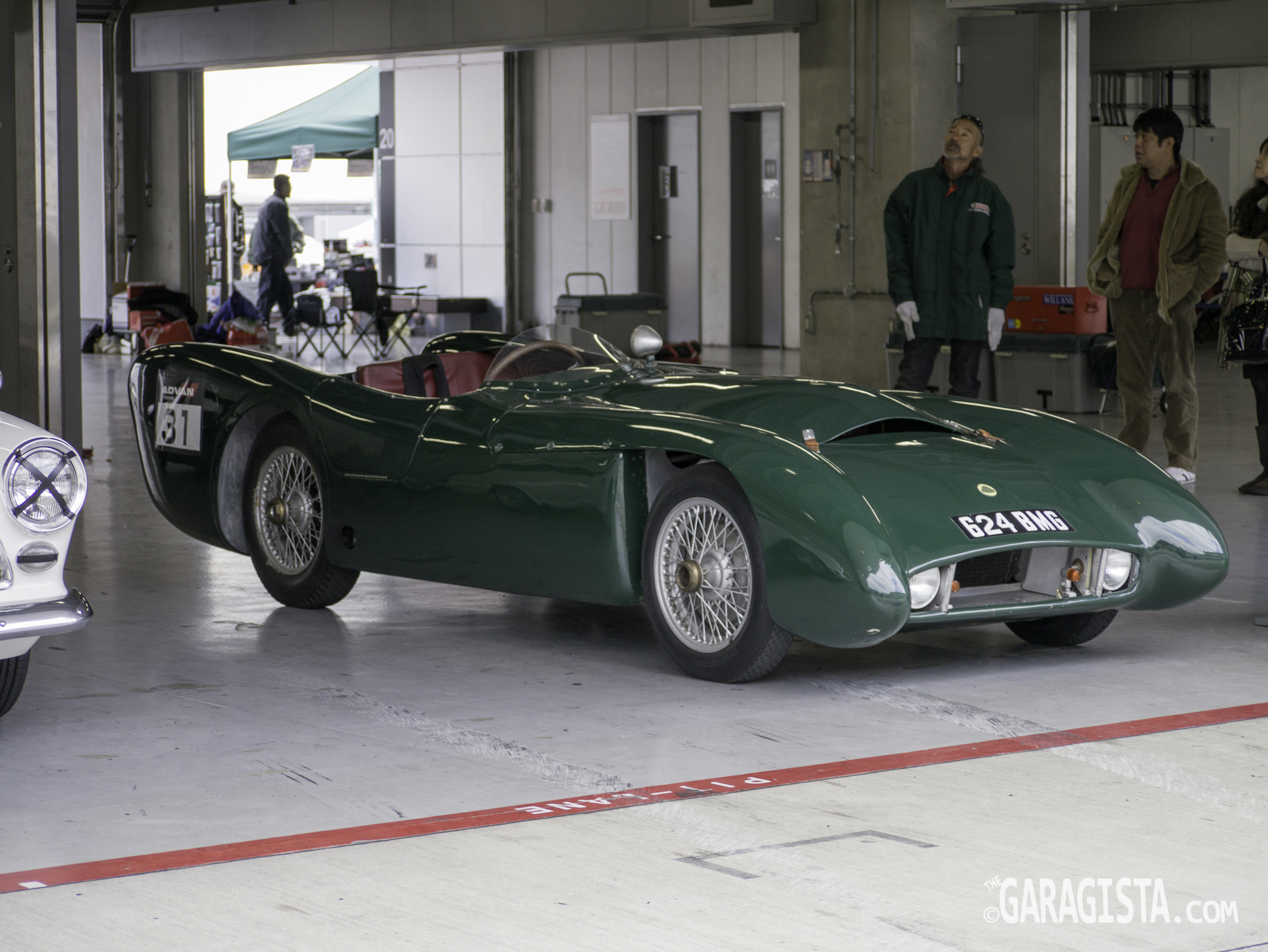
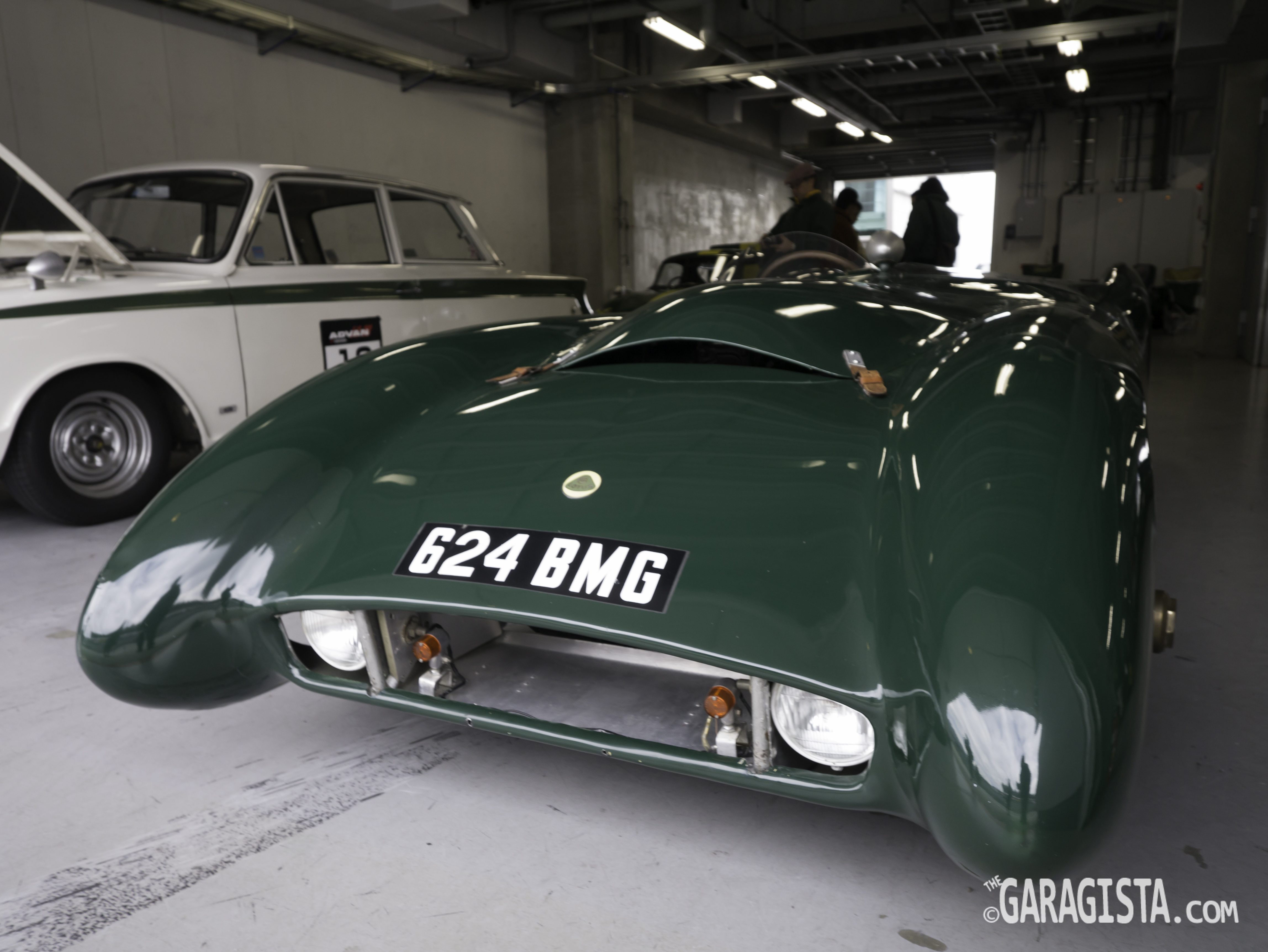
The Lotus Mark 8 was built from 1954 -1955 with a total of about 30 cars produced. This 1954 example is powered by an MG 1500cc 4 cylinder . The car looks larger in the images than it really is. I think the exaggerated fins add to the style of the day. I really can’t think of another race car from the period with such pronounced features. The car was designed by Frank Costin and constructed by the infamous Williams and Pritchard LTD. Lotus Mark 8’s were raced successfully in Europe including LeMans and in the USA at the 12 hours of Sebring.
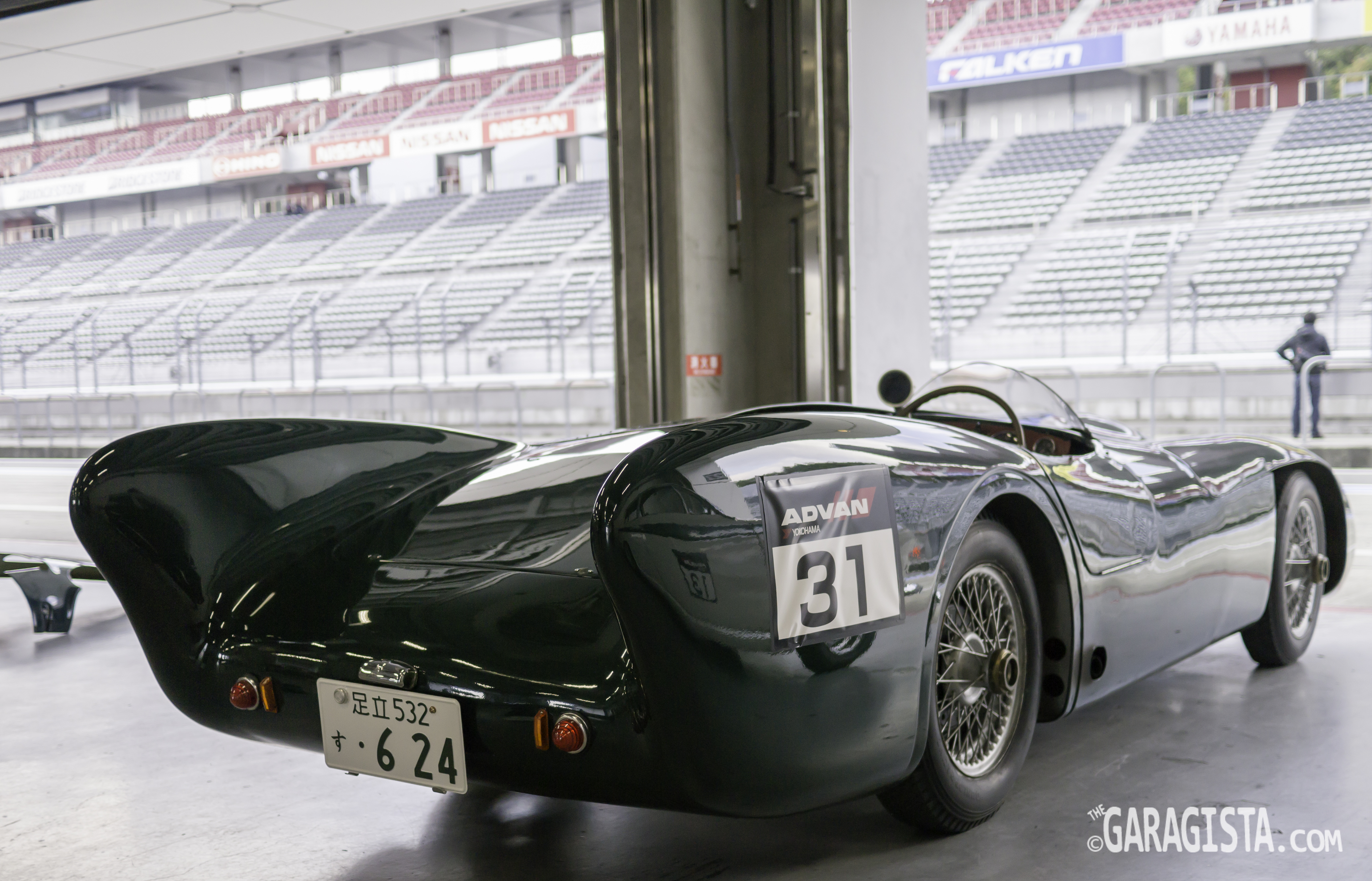
Lotus Mark 8 (IX)
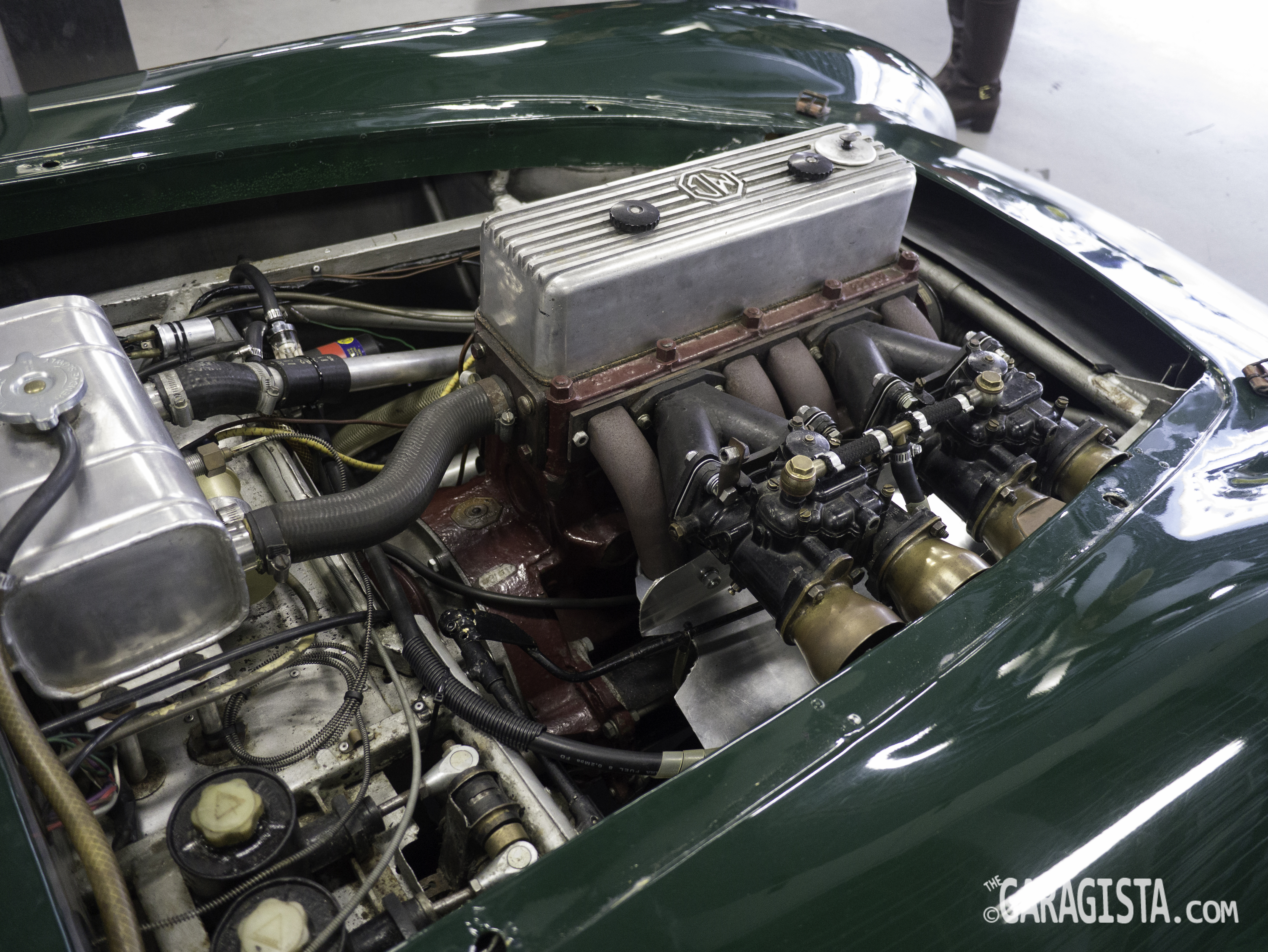
Lotus Mark 8 powered by 1500cc MG engine
 One of the most iconic and recognizable Lotus sports cars is the 23 and in particular the 23B . The 23 was launched in 1962 and remains a favorite in historic racing to this day. The car features a tubular frame with a fiberglass body and is typically powered by the Lotus Twin Cam engine. There were at least 130 Lotus 23s produced in three version, the 23, 23B and 23C with minor variations between each type. You can still purchase the parts to build complete a 23 bringing into question the heritage of some of the cars raced today.
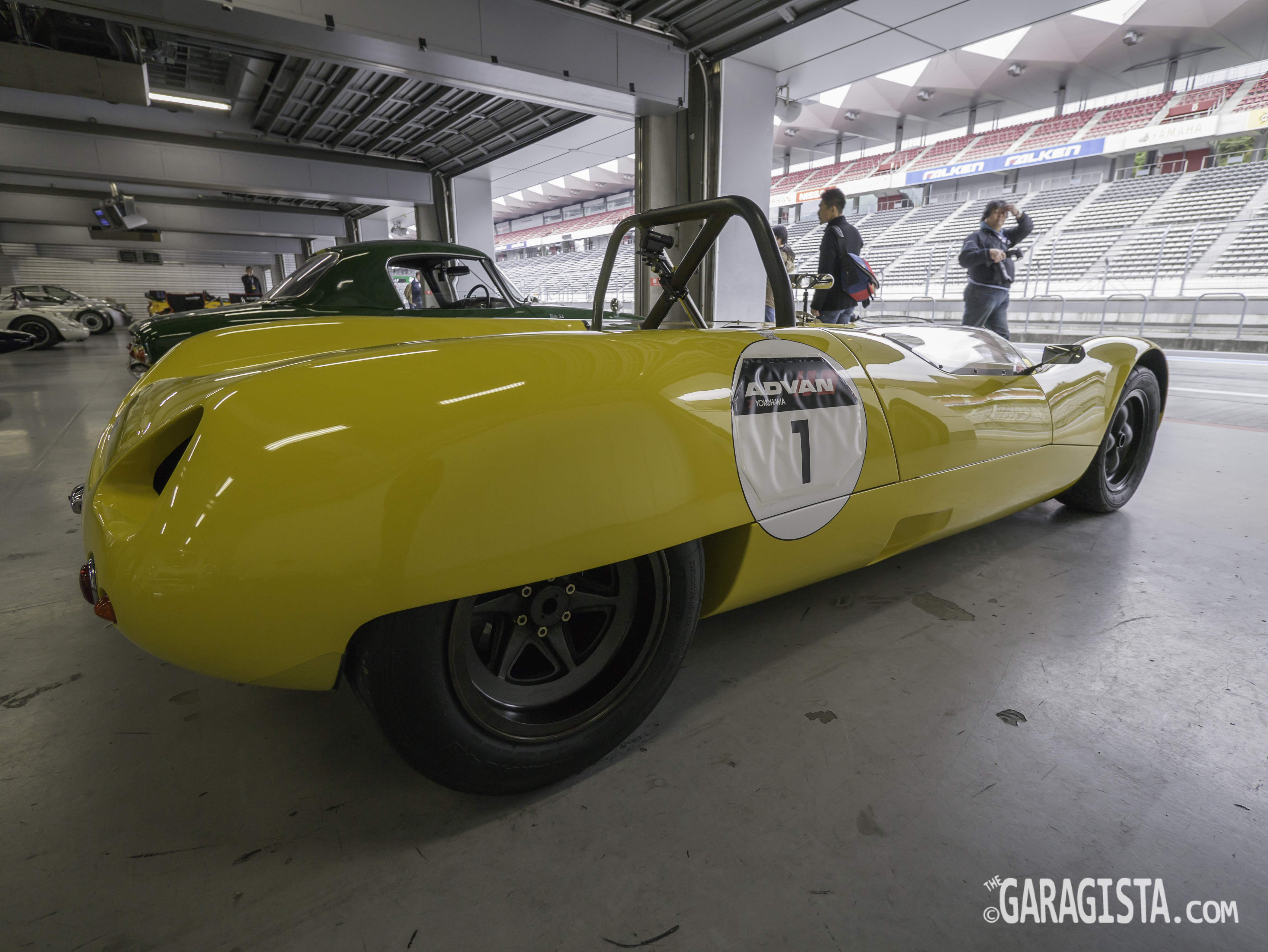
1964 Lotus 23B
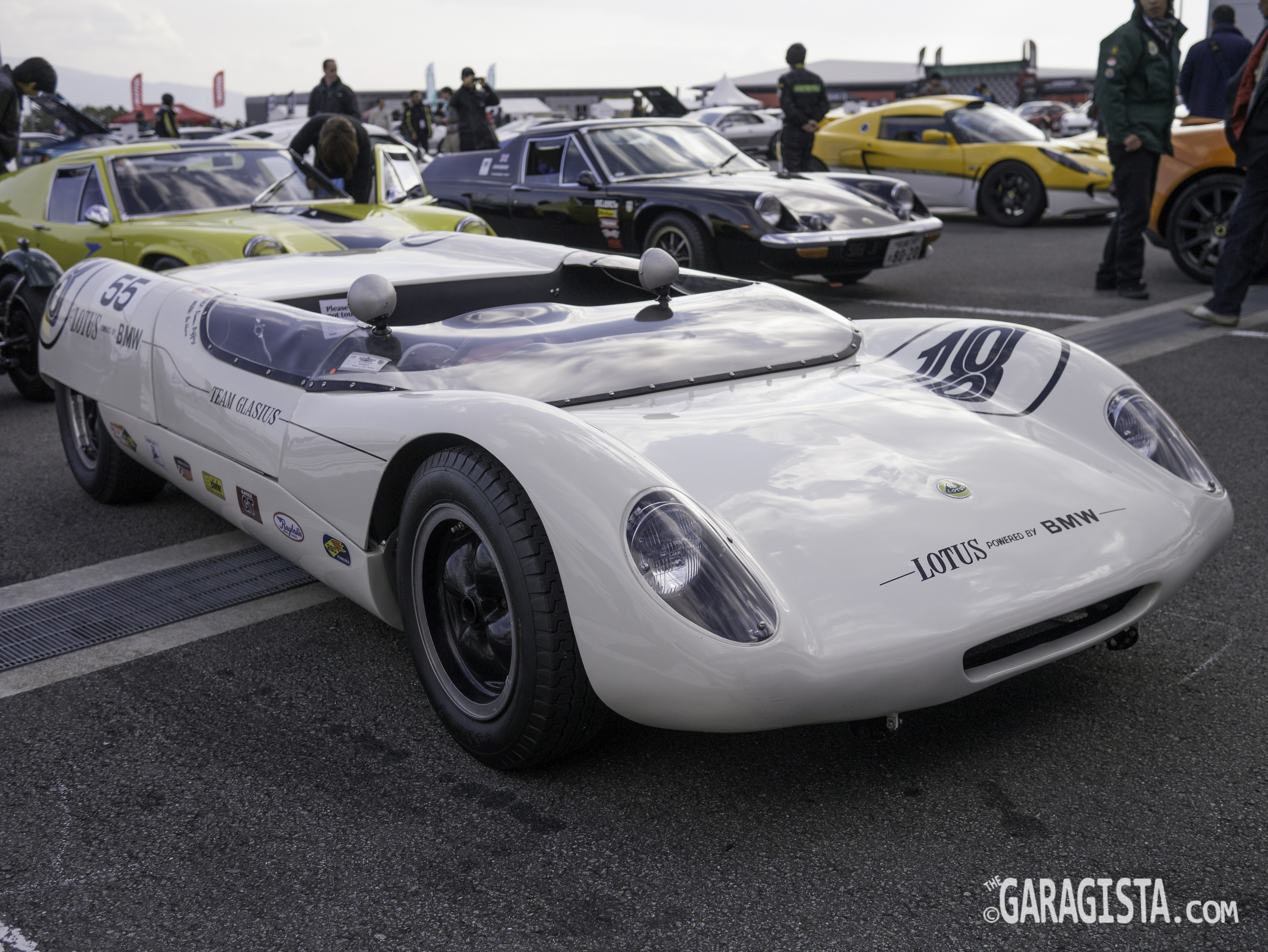
BMW Powered Lotus 23C
This 23C is powered by a BMW 4 cylinder, many 23B’s were converted to C specification with upgrades and larger engines. Records indicate there were only 6 23C’s produced by Lotus so I’m not sure if this car left the Lotus factory in this configuration or it’s a conversion. The full width windscreen is typical of the 1960’s sports car styling and still looks great today.
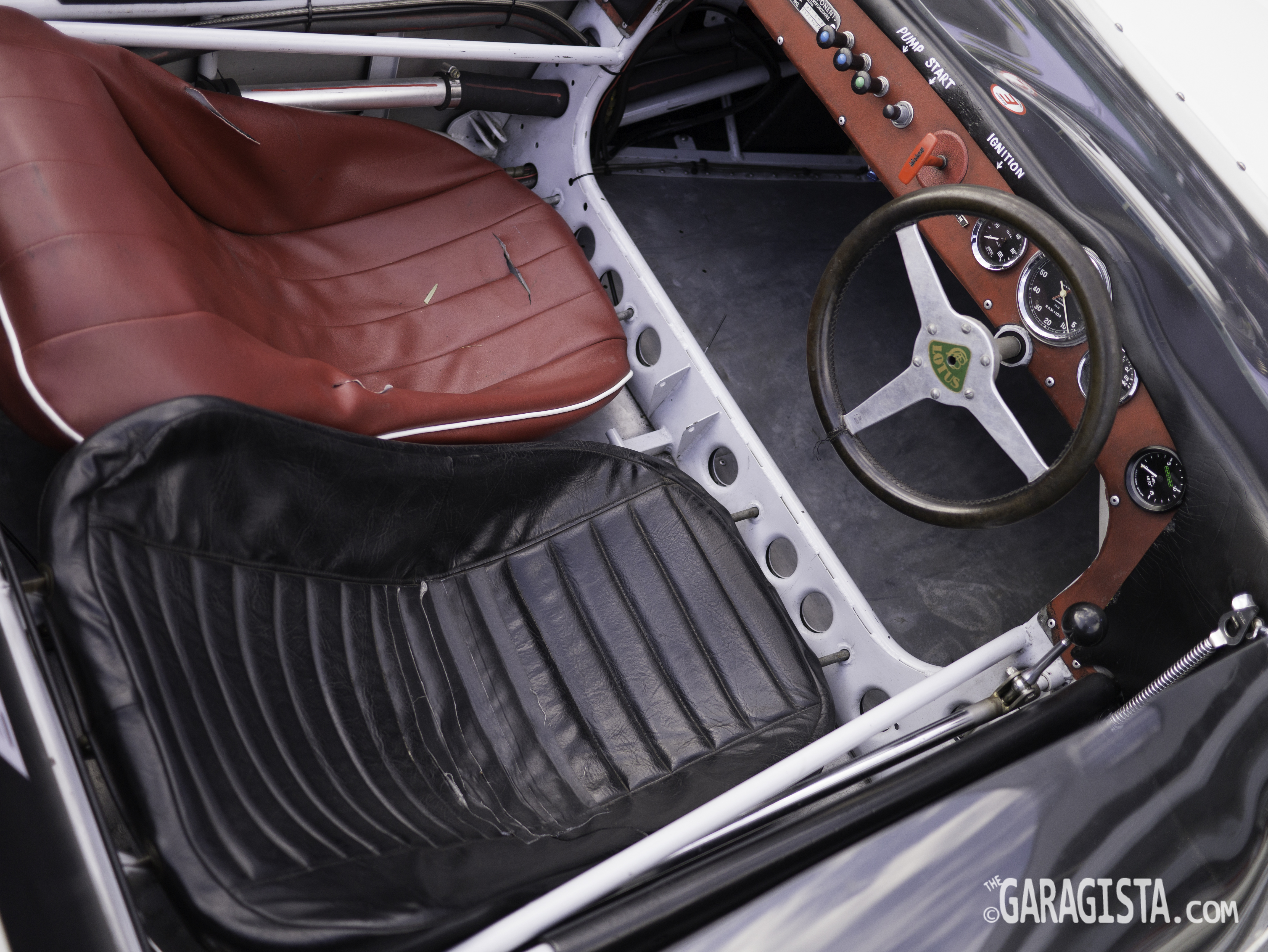
Lotus 23C cockpit
The 23 cockpit looks cramped but according to racers I’ve spoken to , it’s a very easy car and comfortable car to drive. I can feel that bulkhead digging into my thigh on a hard left hand corner.
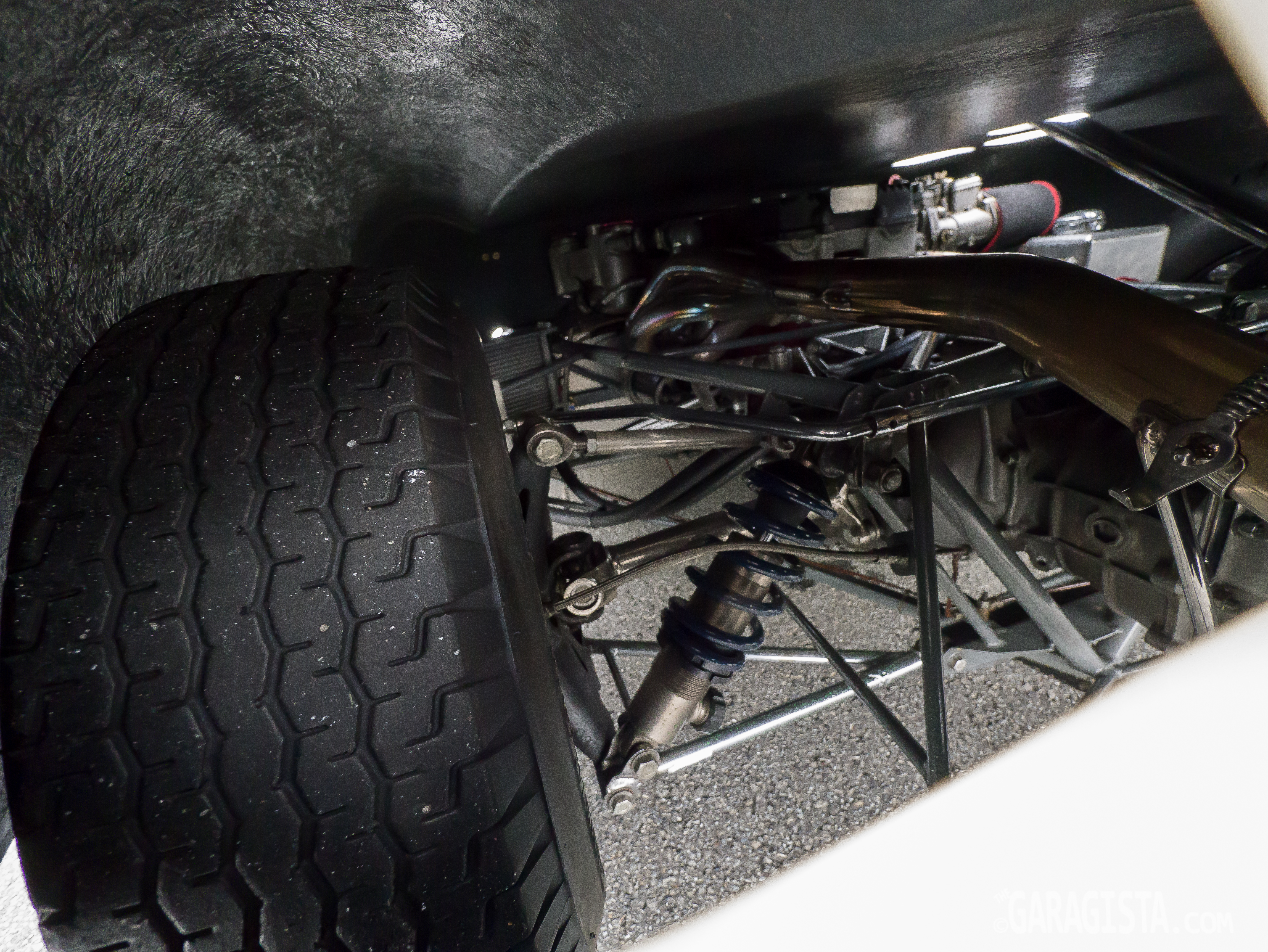
Lotus 23B engine bay
This shot provides a view of the rear suspension and engine looking through one of the vent holes in the rear of the body work. Everything is in its place with no room to spare.
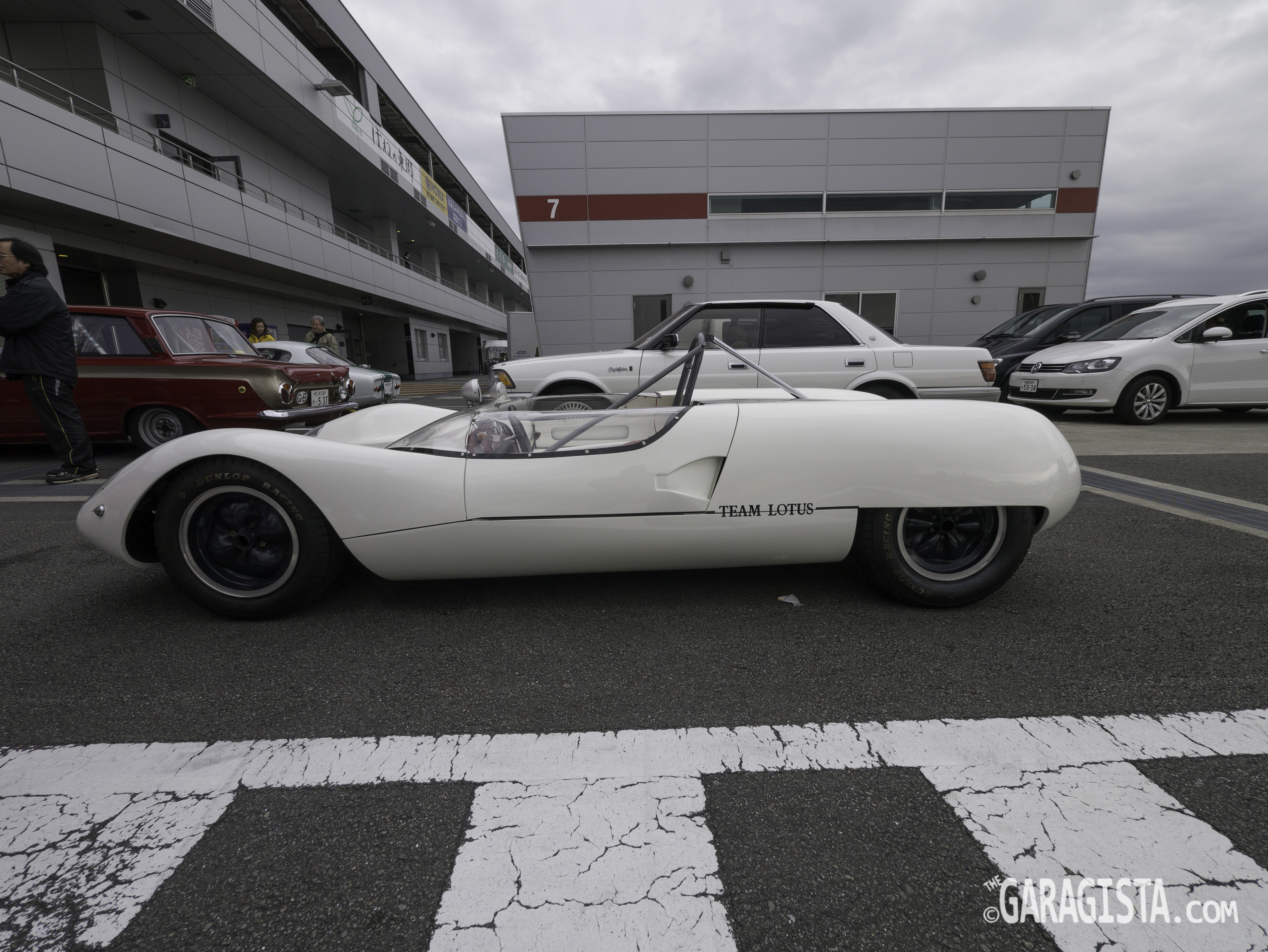
Lotus 23B Japan Lotus Day 2012
Everyone’s tin top favorite, the Lotus Cortina was represented at Japan Lotus Day. This rally car was complete with period correct driving lamps, and long range fuel tank.
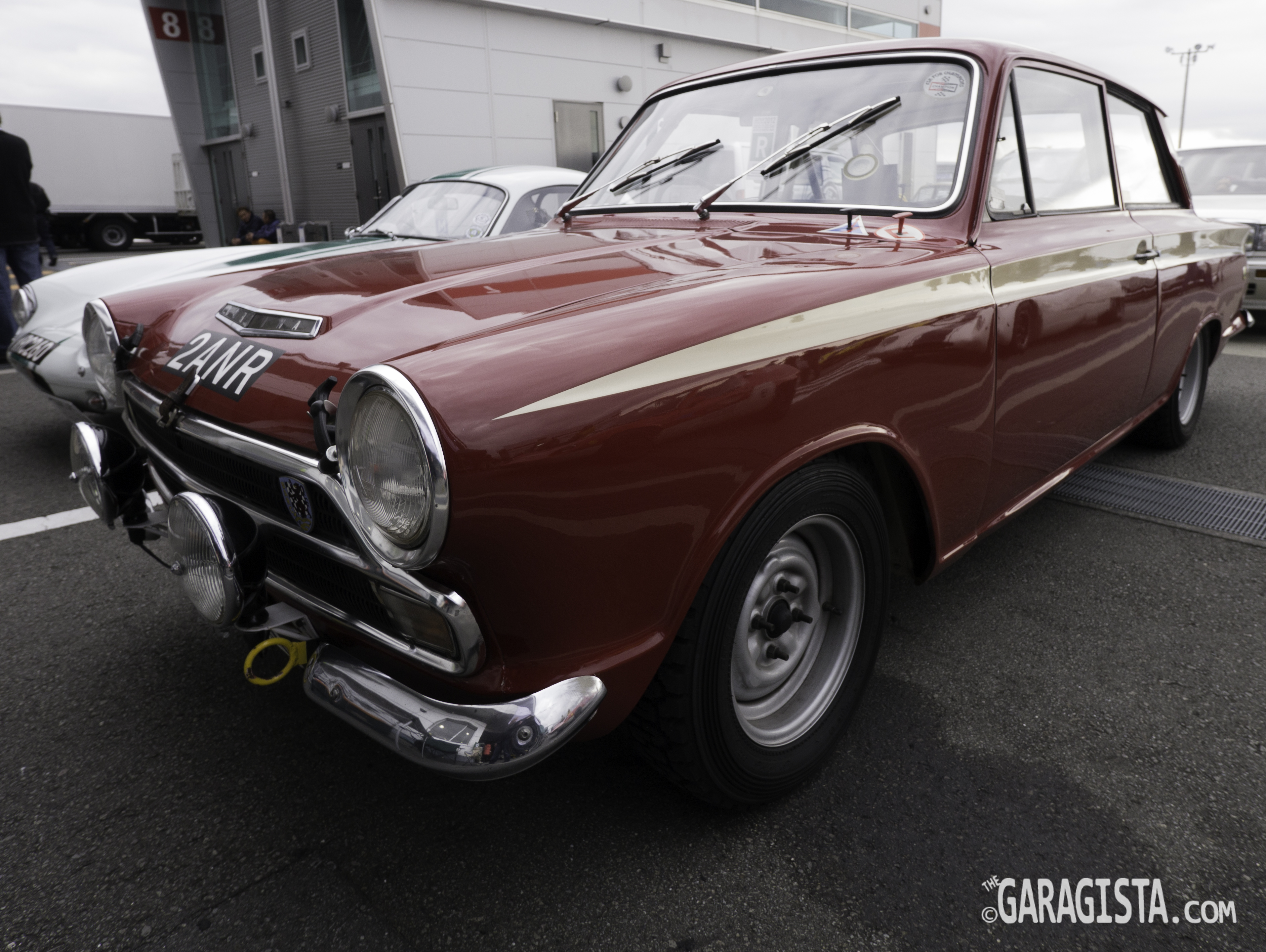
Lotus Cortina : Japan Lotus Day
 The traditional ermine white, early Mark 1 Lotus Cortina made several appearances on the track. The twin cam engine seemed well tuned while the driver put it through the paces. Unfortunately this was the only Lotus Cortina to make it out on the track. It would have been great to see the 4 cars in attendance battling it out around Fuji.
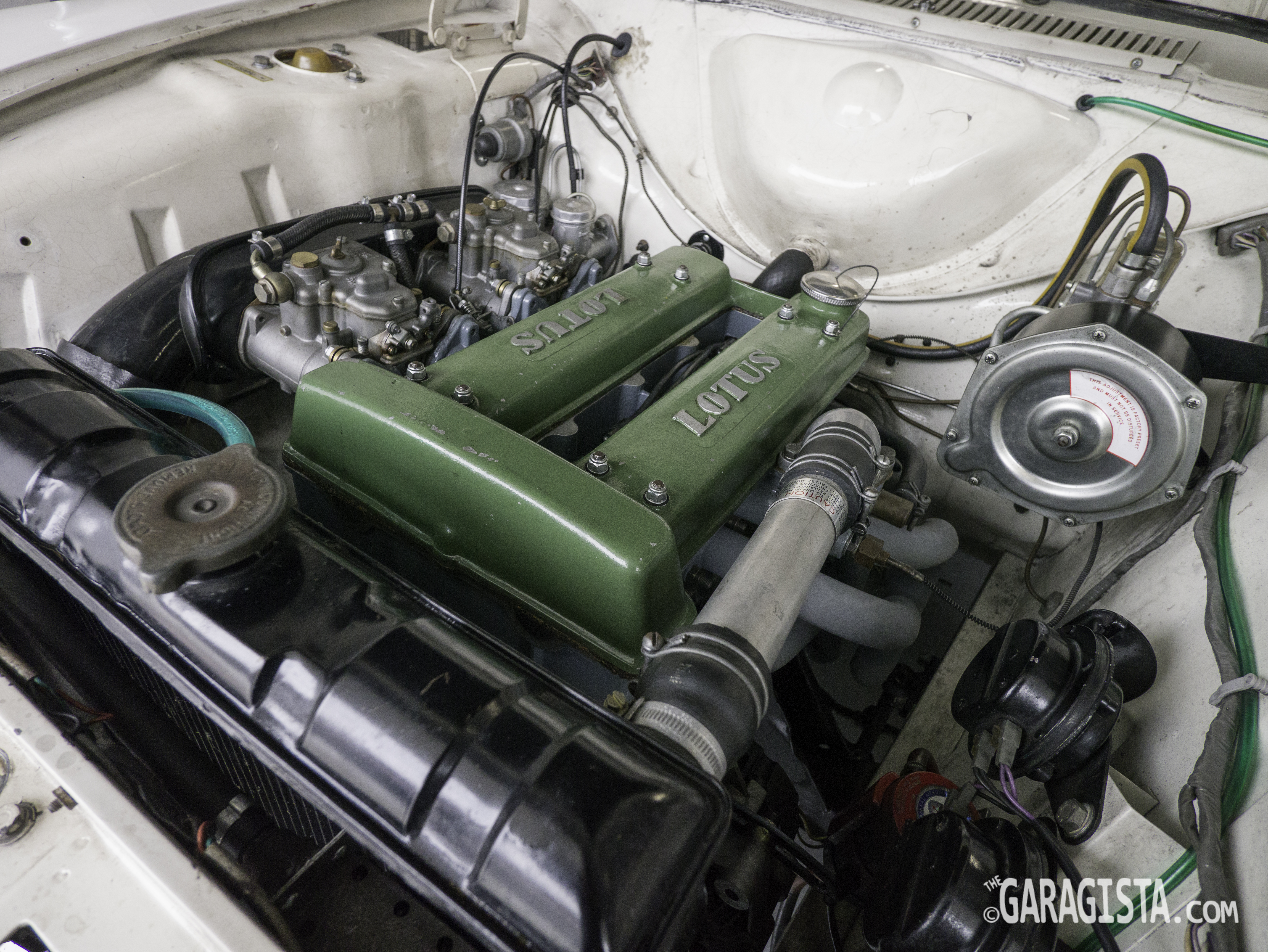
Twin Cam engine: Lotus Cortina

Lotus Cortina

Allan Mann Tribute Lotus Cortina
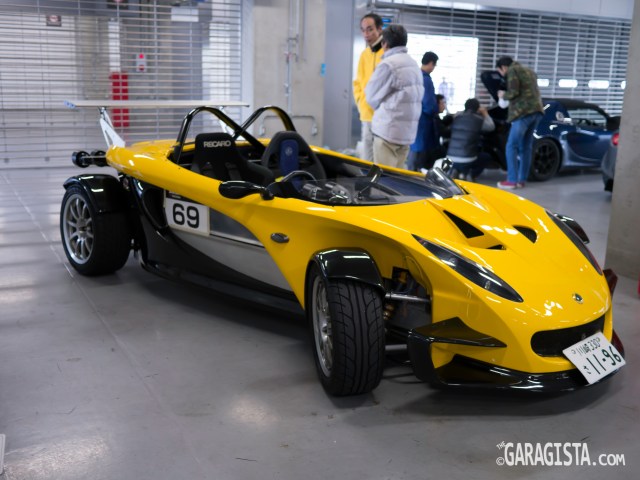
Lotus 340R: Japan Lotus Day
The Lotus 340R is indeed a special treat to see in person. Lotus built only 340 units in 1999 that were all sold before production began. The Rover K series powered track weapon weighs only 1550 lbs so zero to sixty miles per hour requires only 4.4 seconds. The chassis is from the series one Elise but special brakes and suspension tuning result in a very different machine. The 340R was only available in black or silver so the yellow car has custom paint.
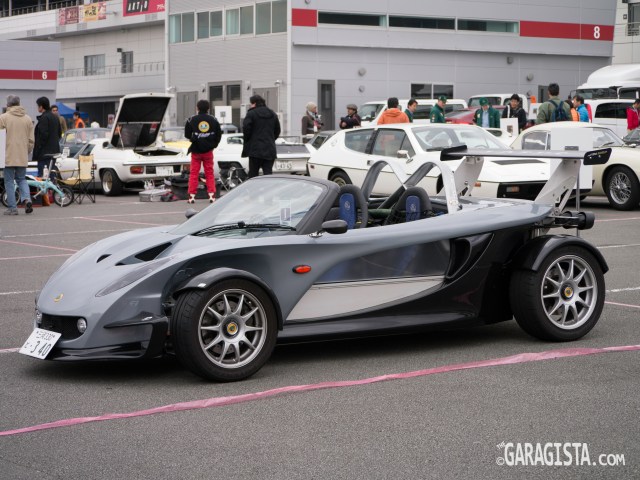
Lotus 340R
When I look through the images from Japan Lotus Day, I continue to be amazed by the quantity and quality of classic Lotus cars in Japan. But one wonders how long this interest and passion will continue. It’s no secret that many of the owners of the classics are older and without a doubt, in the higher income category. Will the younger generations of enthusiasts embrace the classic Lotus cars? The Elise, Exige and Evora offer something for the younger tech savvy enthusiasts to enjoy but with a different experience compared to the older cars. Either way, the newer cars still include the Lotus DNA of lightness and precise handling that results in an enjoyable drive.
I only hope this collection of words and images inspires you to keep your classic on the road, Lotus or not and continue to enjoy it as the car was meant to be. Japan Lotus Day was one of the best events I’ve had the privilege of attending. Not only because there were plenty of great cars to see but the passion and excitement was very special to experience first hand….. I’ll be back next year.
Previous articles on Japan Lotus Day 2012 and the full image gallery can be found at the links below.
 thegaragista.com